|
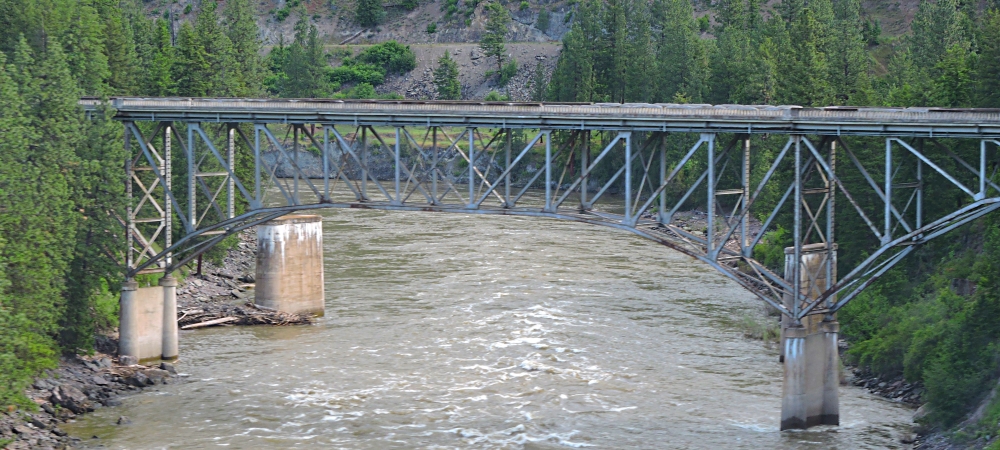
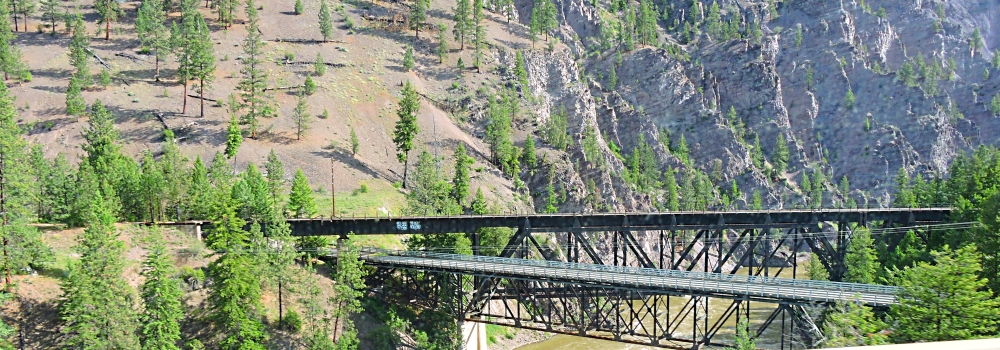
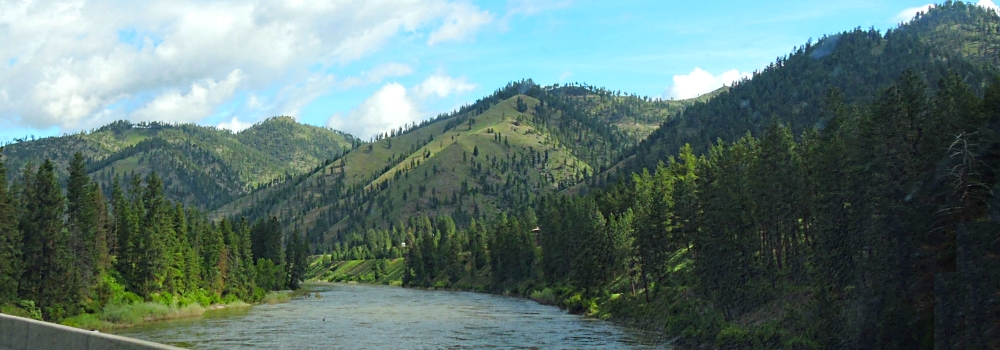
The Clark Fork is also known as the Clark Fork of the Columbia River. Leaving the Columbia River just north of the Washington state border, it is known as the Pend Oreille River until Lake Pend Oreille. From above, then Clark Fork into Lake Pend Oreille on the east side of the lake near Clark Fork, Idaho. From there it rises in Montana to the east.
The Route of the River:
Silver Bow Creek rises in southwestern Montana, less than five miles from the continental divide near Butte, from the confluence of Basin and Blacktail creeks.
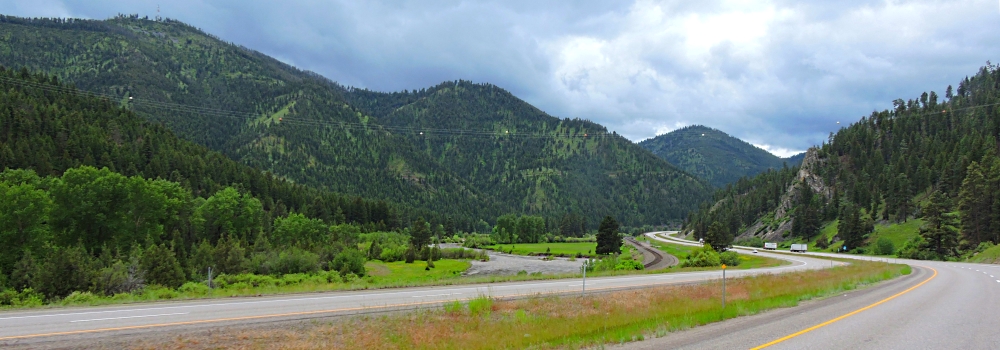
Silver Bow Creek flows northwest and north through the IH 90 valley in the mountains, passing east of Anaconda, where at the confluence of Silver Bow Creek and Warm Springs Creek in Warm Springs Wildlife Management Area, for the total of about twenty miles before the Silver Bow Creek changes its name to the Clark Fork.
The Clark Fork river, when it comes near to Deer Lodge it receives the Little Blackfoot River. From Deer Lodge it flows generally northwest across western Montana, passing south of the Garnet Range toward Missoula. Five miles east of Missoula, the river receives the Blackfoot River.
Northwest of Missoula, the river continues through a long valley along the northeast flank of the Bitterroot Range, through the Lolo National Forest. It receives the Bitterroot River from the south-southwest approximately 5.5 miles (8.9 km) west of downtown Missoula. Along the Cabinet Mountains the river receives the Flathead River from the east near Paradise. It receives the Thompson River from the north near Thompson Falls in southern Sanders County.
At Noxon, Montana, along the Cabinet Mountains and the northern end of the Bitterroots near the Idaho border, the river is impounded by the Noxon Rapids Dam to form a 20-mile-long (32 km) reservoir. It crosses into eastern Bonner County in north Idaho between the towns of Heron, Montana and the town of Cabinet, Idaho. After crossing from Montana into Idaho the Clark Fork flows approximately 8 miles more and then enters the north eastern end of Lake Pend Oreille, near the town of Clark Fork which is considered to be the primary.
The Clark Fork River was originally named Clark′s River by the Lewis and Clark expedition. It is sometimes called the Clark Fork of the Columbia river, which when so called, usually includes the Pend Oreille river as the Clark Fork river.
Furthermore,
Clark Fork River Information
Confluence with Primary:
48.1542461, -116.2269059, Elevation 2056 feet
Source:
46.1869107, -112.7718072, Elevation 4778 feet
Total Length:
310 miles
Geographical Region:
Rocky Mountains, Montana
Tributaries Left:
St. Regis River, Bitteroot River
Tributaries Right:
Bull River, Vermilion River, Thompson River, Flathead River,
Blackfoot River, Nimrod Hot Springs, Little Blackfoot River
|