|
The Columbia River Gorge: OR, WA
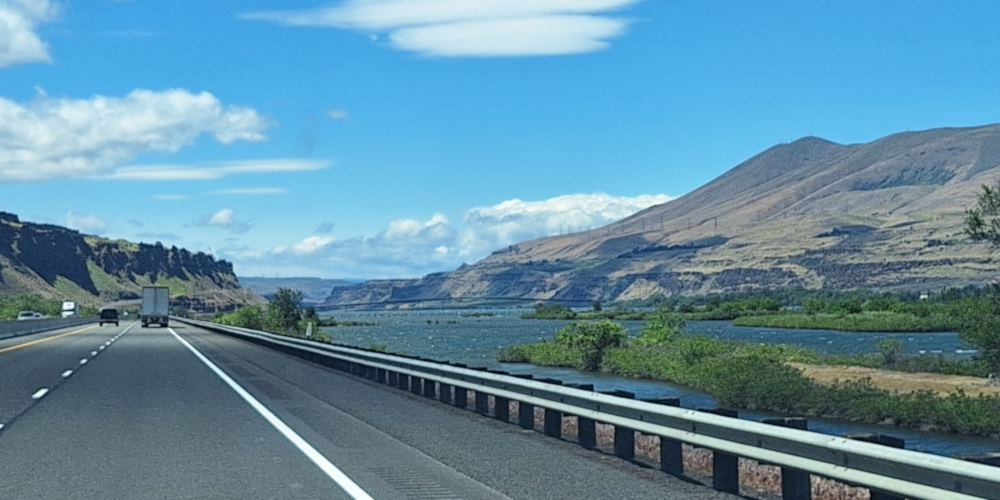
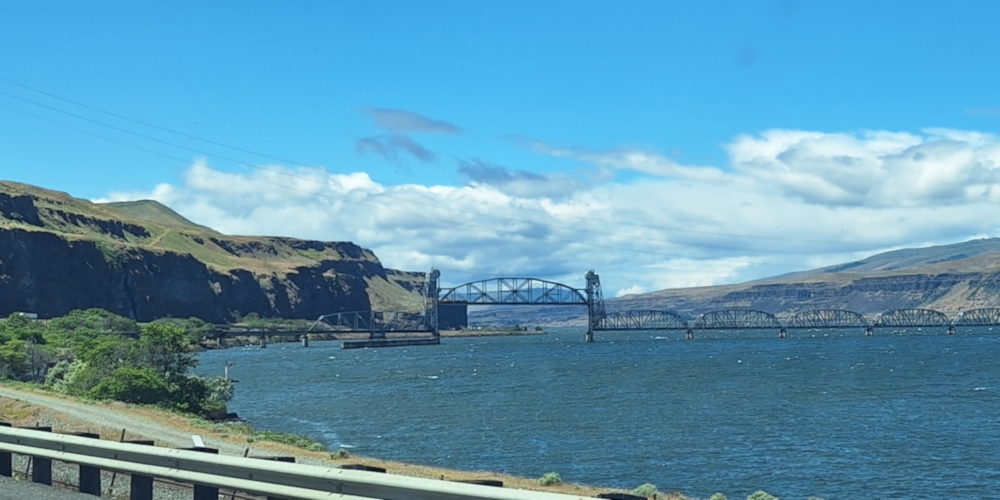
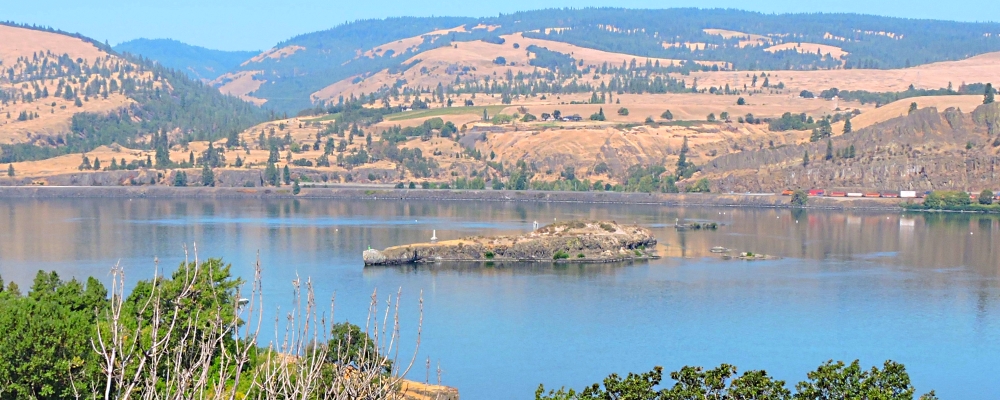
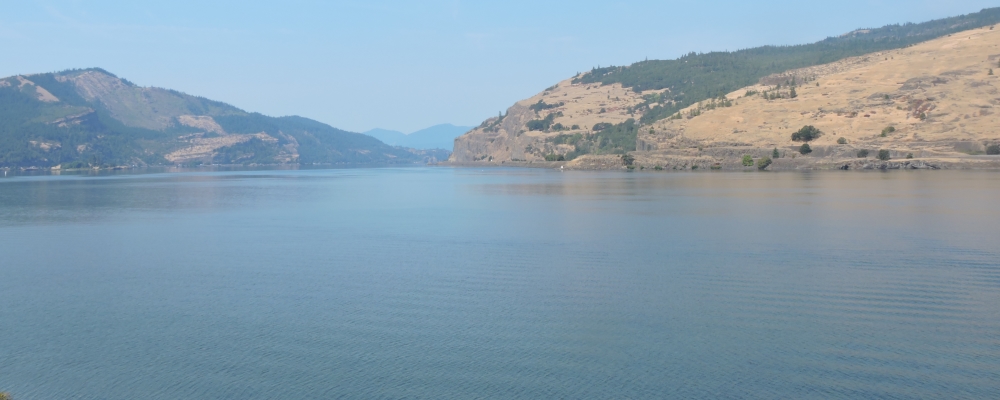
The Columbia River forms about seventy-fiver percent of the state line border between the states of Washington and Oregon, which waterway border amounts to the western three hundred miles of their joint border, at which time the Columbia River leaves Oregon and enters fully into Washington flowing down from points north in Canada.
National Scenic Area
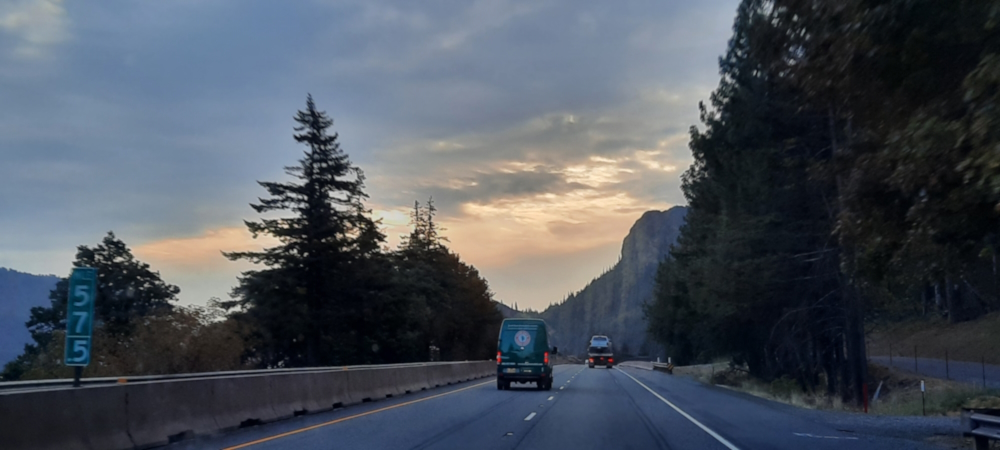
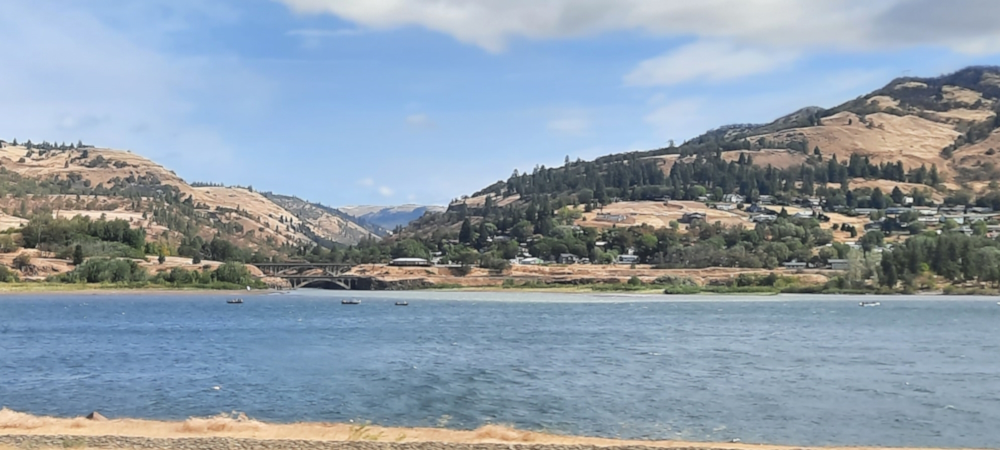
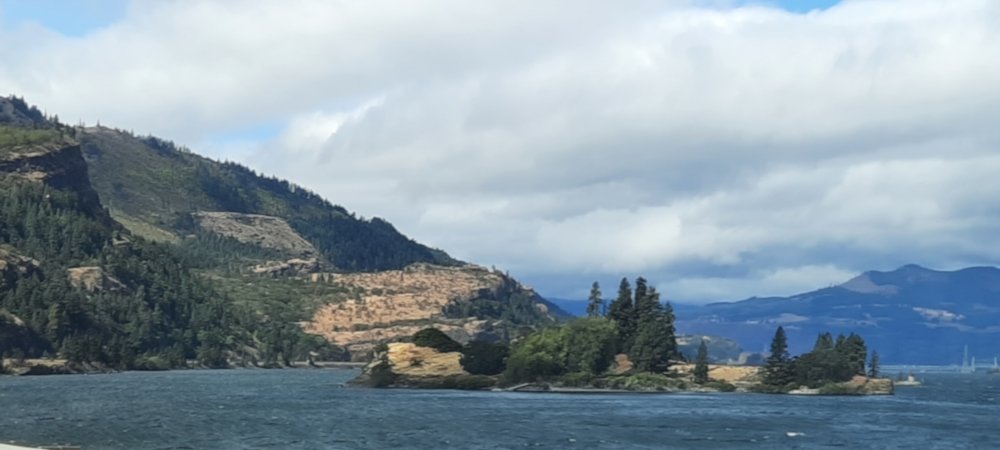
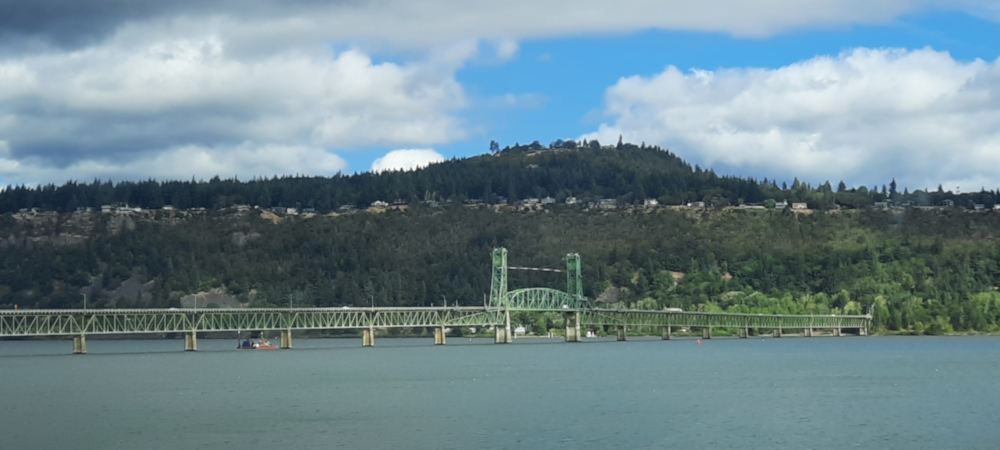
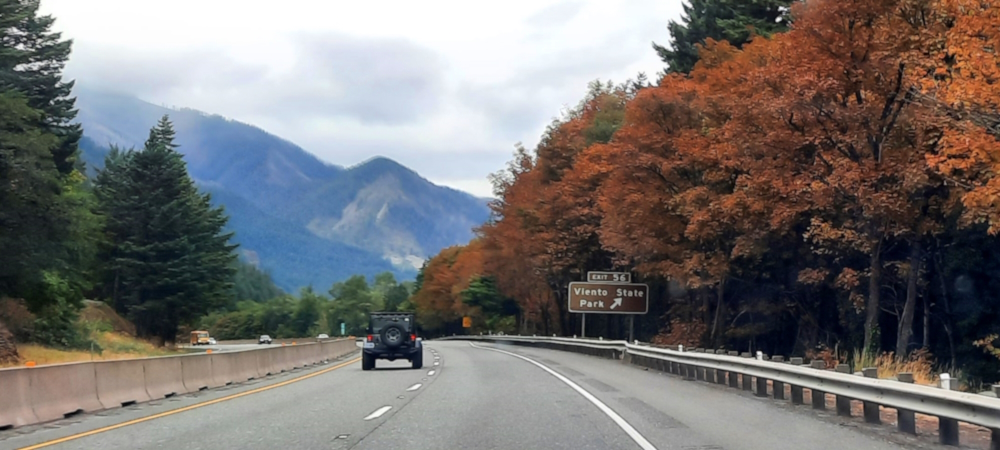
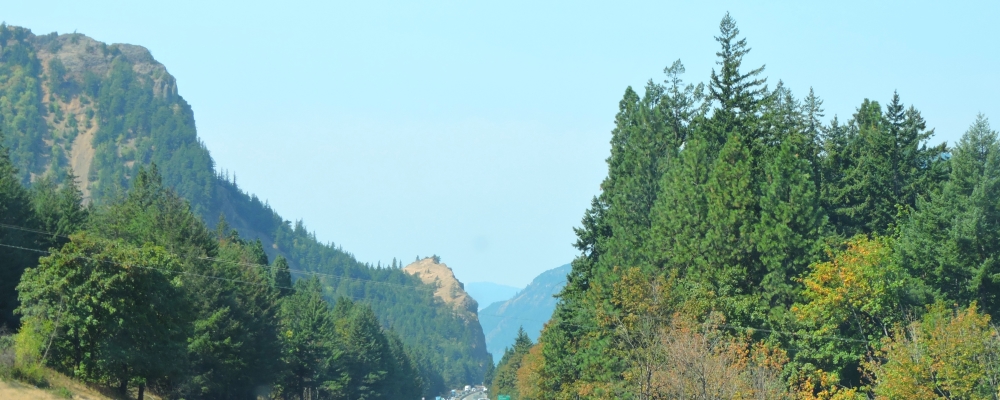
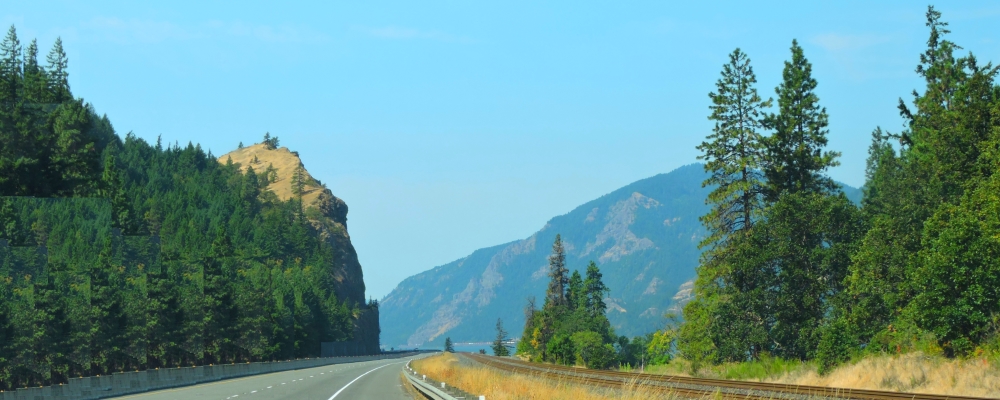
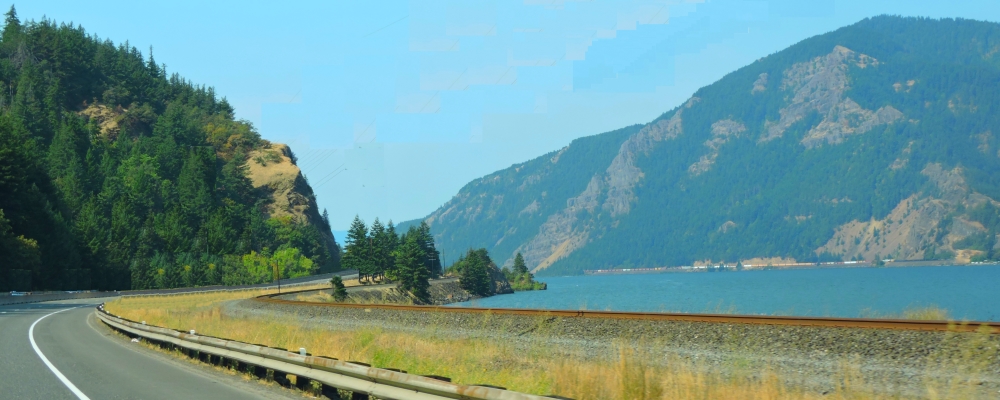
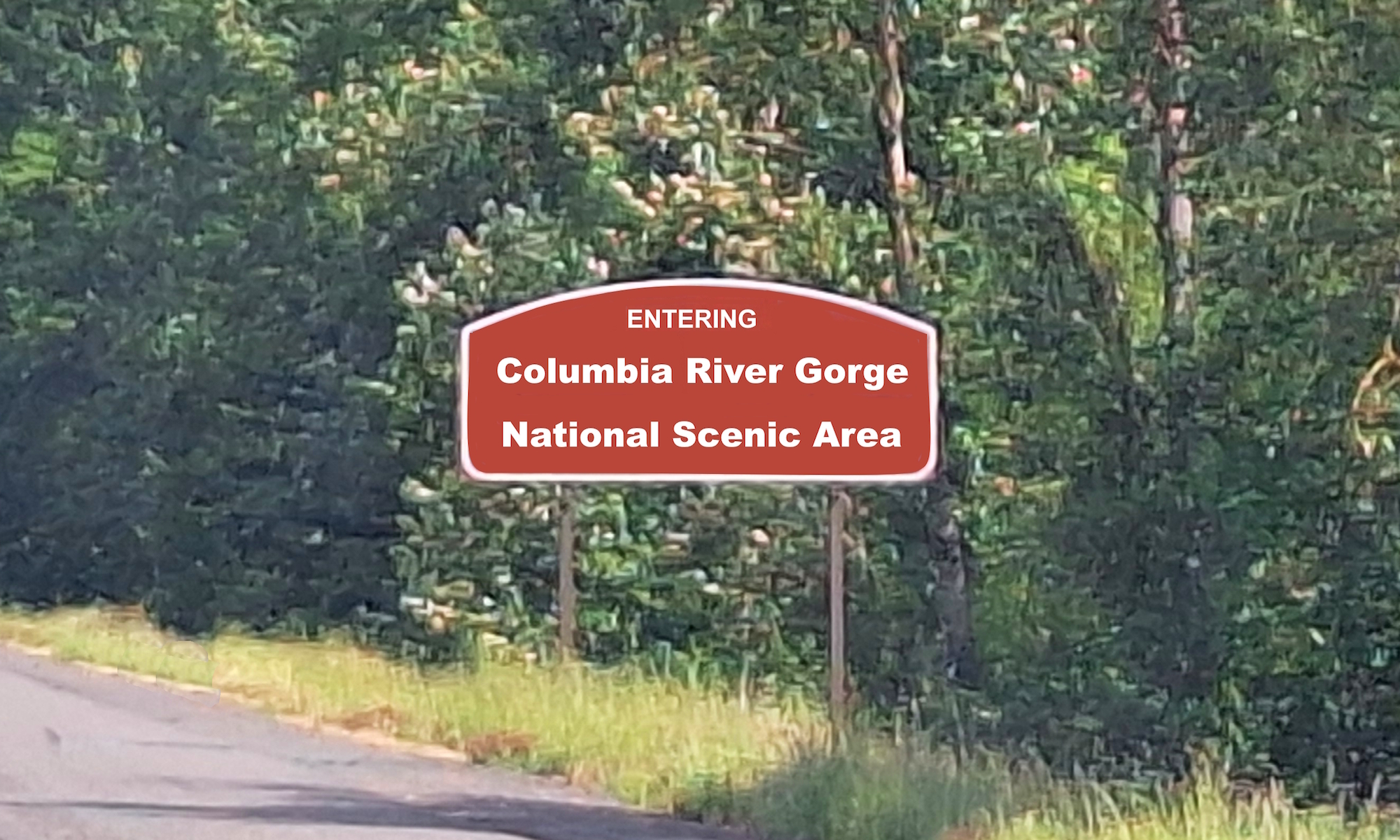
While traveling east from Troutdale, after crossing the Sandy River, the highway passes exit eighteen. Then, some distance further east is a highway sign along south side that announces the entrance into the national scenic area. (See photo above.) Along this scenic area, there are several modes of transportation traversing through this river gorge on the Washington and/or the Oregon sides, including three highways, two railway tracks, as well as the water passage, and some would claim that there is also the air passage due to the fact that their traverse often occurs.
Historic US 30 Highway
Know as the Historic Columbia River Gorge Highway, Historic US 30 was built during 1913-1915. The chief engineer was Samuel Lancaster who paved the previous trails with poetry and drama for millions could subsequently enjoy the spectacular creations of the most high God.
Columbia River Information:
Description:
Location:
Coordinates:
Elevation:
feet
Geographical Region:
Pacific Coast
The Ancients
The Columbia River Gorge was home to numerous Indigenous groups, most of whom were descendants from the Sons of Hadoram, who was a son of Joktan and all of which were part of the first migration across Beringia. These indigenous people all have had a long history of living in and around the Columbia River, relying on its resources and developing unique cultures. The indigenous people include;
(1) the Chinookan peoples of which were the Chinook, Clackamas (also known as the Tlakamas), Multnomah, Wasco-Wishram, as well as some others; and
(2) The Sahaptin speaking people, particularly the Nez Perce.
In 1805 the Lewis and Clark Expedition encountered the Chinook Tribe on the lower Columbia.
First Migration
(The Algonquian Cultures)
Chinookan Indigenous People
Chinookan peoples include several groups of Indigenous people of the Pacific Northwest in the United States who speak the Chinookan languages. Ever since the first migration, Chinookan peoples and their ancestors have resided along the upper and Middle Columbia River (Chinook: Wimahl or Sahaptin: Nchi wana, meaning Great River).
The range of the Chinookan people was from the river's gorge (near the present town of The Dalles, Oregon) westward and downstream to its mouth at the Pacific Ocean, and along adjacent portions of the coasts, from Tillamook Head of present-day Oregon in the south, north to Willapa Bay in southwest Washington.
Some Chinookan peoples are part of several federally recognized Tribes:
(1) the Yakama Nation (primarily Wishram);
(2) the Confederated Tribes of the Warm Springs Reservation (primarily Wasco); and
(3) the Confederated Tribes of the Grand Ronde Community.
The River People:
Tribes that were part of the "River People," a collective term for the various groups who lived in villages on both sides of the river, particularly in the gorge area, included: Chinook, Cascades, Clackamas, Clatsop, Cowlitz, Kathlamet, Molalla, Multnomah, Skilloot, Tualatin Kalapuya, Wasco, Wahkiakum and the Atfalati. It is understood that tribal territories were often shared and/or overlapping, and that this list may or may not be the complete list of those who lived on these lands.
The tribes who were known collectively were known for their powerful position in the region due to their control of this major trading route.
Nez Perce:
The Nimíipuu (Sahaptin: nimíipuu, meaning we the people, is an autonym in the Sahaptin language) are the indigenous people called the Nez Perce who have lived both along the Columbia River as well as on the interior plateau and have occupied their lands ever since arriving during the
First Migration.
As descends of the Sahaptin speaking people, the Nimíipuu were the dominant people of the Columbia Plateau for much of the pre-European arrival. After acquiring horses, their efforts at breeding led them to breed the Appaloosa horse in the 1700s.
Prior to first contact with European colonial people the Nimíipuu were economically and culturally influential in trade and war, interacting with other indigenous nations in a vast network from the western shores of Oregon and Washington, the high plains of Montana, and the northern Great Basin in southern Idaho and northern Nevada.
French Canadian explorers and fur traders indiscriminately used and popularized the exonym "Nez Percé" for the Nimíipuu and nearby Chinook. The French name, when translate, is "pierced nose", but only the Chinook used that form of body modification. However, the Nez Perce indentify most often and Nimíipuu, likely pronounced as Nee-Me-Poo.
Other Tribes:
The Columbia River Gorge and surrounding areas were also home to tribes, maybe not as powerful as the River People but real people, like the Cowlitz, Yakama, Walla Walla, Umatilla, Wanapum and others who lived along the river and its tributaries.
During the thousands of years that indigenous people have lived along the banks of the Columbia River, many of these inhabitants left behind artwork in the form of petroglyphs and pictographs.
Along the Columbia River between today's Hood River, Oregon and Pasco, Washington, large number of indigenous people came from great distances to fish, socialize and trade. Along this section of the Columbia River, archaeologists have found more than 90 rock art sites.
Also, more rock art have been found along the lower tributaries of the Columbia River including the Deschutes River, the Yakima River and the John Day River.
While the majority of the rock art were lost with the dams on the Columbia River, some of the Rock are was saved and then reassembled at Columbia Hills State Park in Washington. The area of this state park served for centuries as a site for one of the local tribal villages.
Petroglyph and Pictograph
Temani Pesh-wa Trail
(45.64082, -121.10461)
WA Discover Pass required
The Earth
Forests and Wilderness Lands:
Mount Hood National Forest
(45.370556, -121.703889)
(46.26434918930727, -124.03807798169899)
The Modern Man
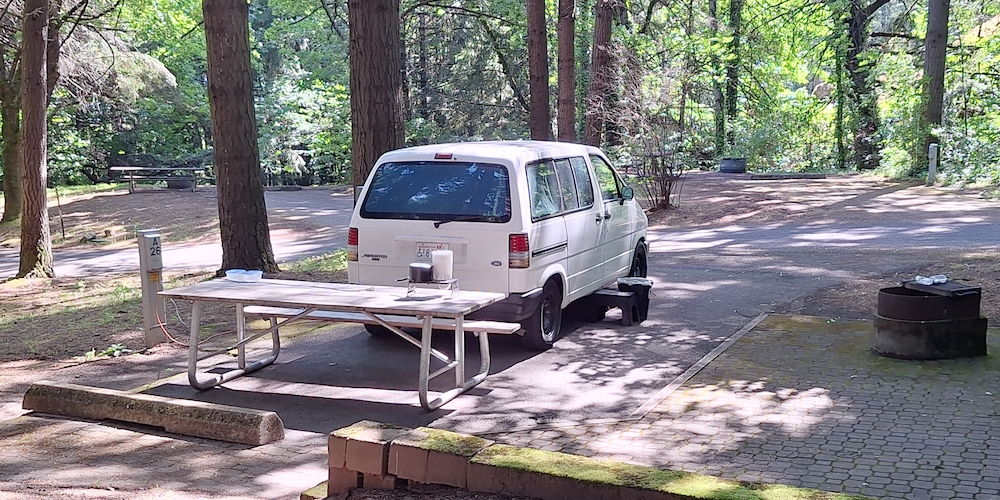
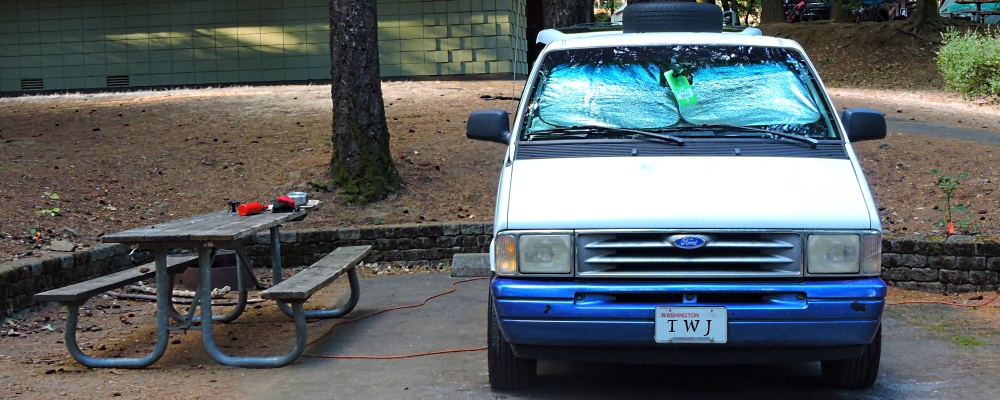
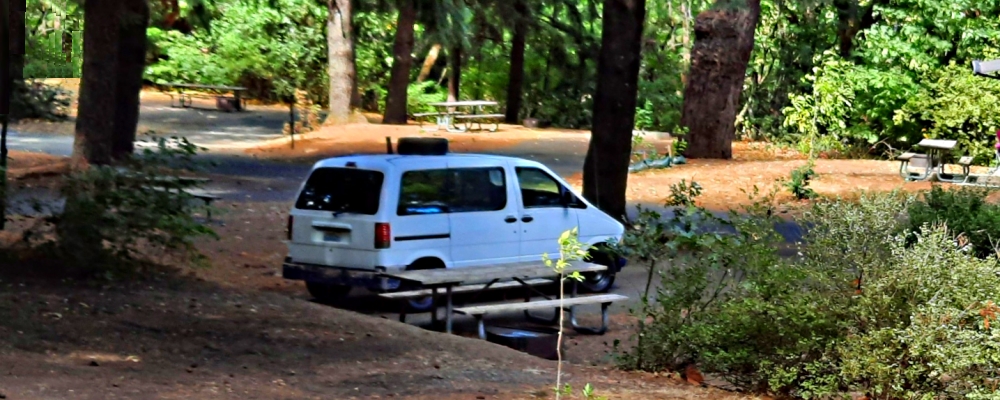
Ainsworth State Park Campground
(45.5965261, -122.0509638)
(45.6962185, -121.6708255)
(45.6962185, -121.6708255)
The Steps
|