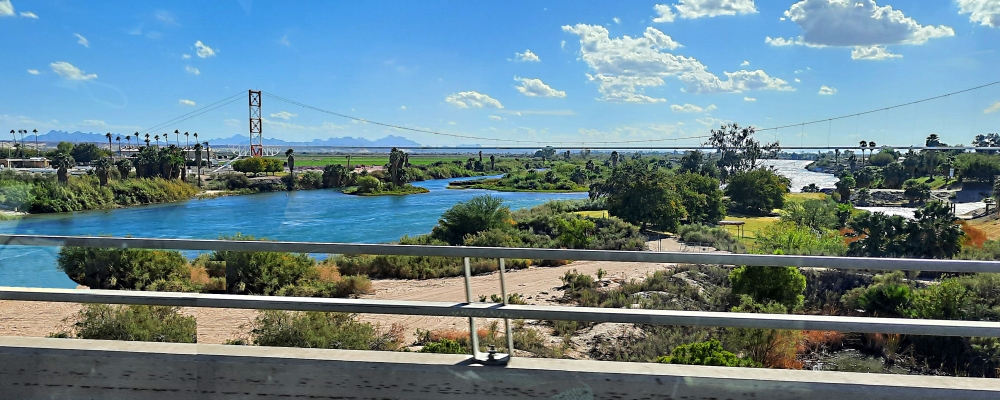
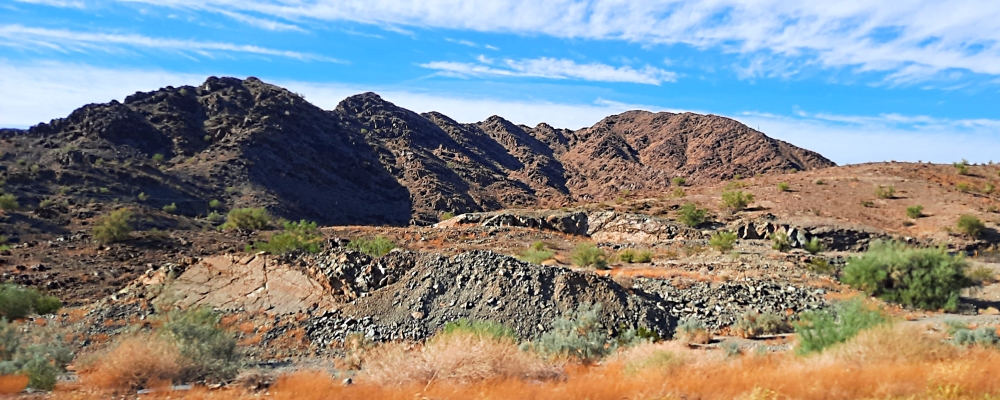
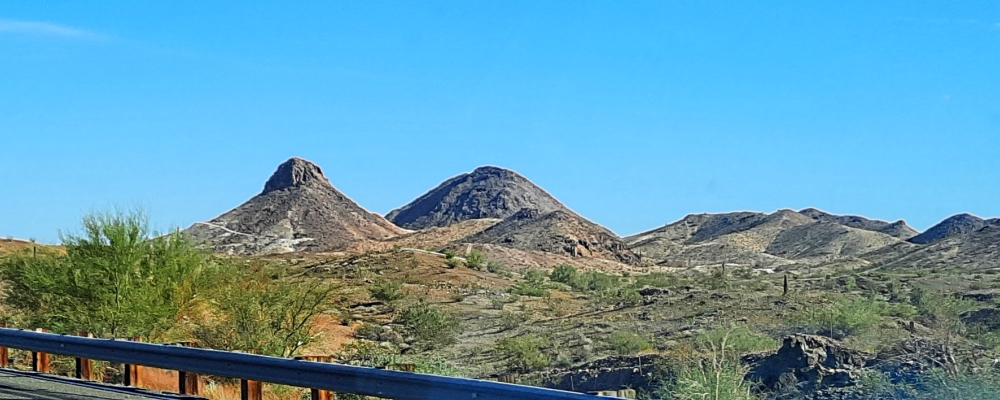
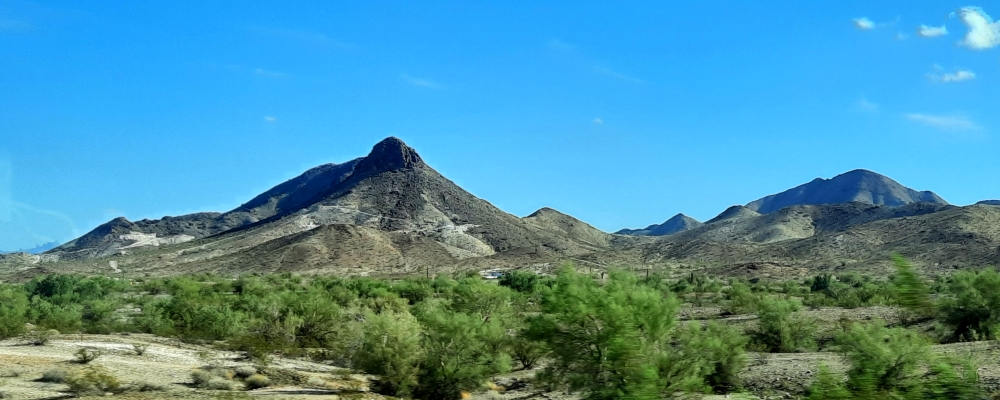
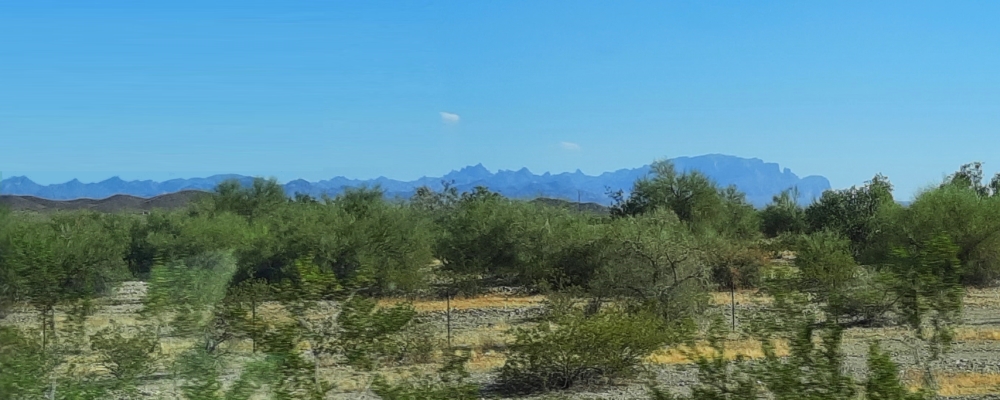
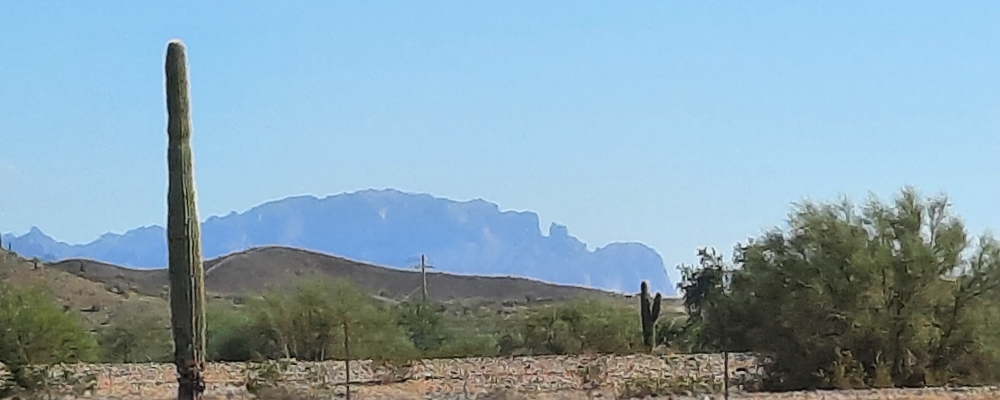
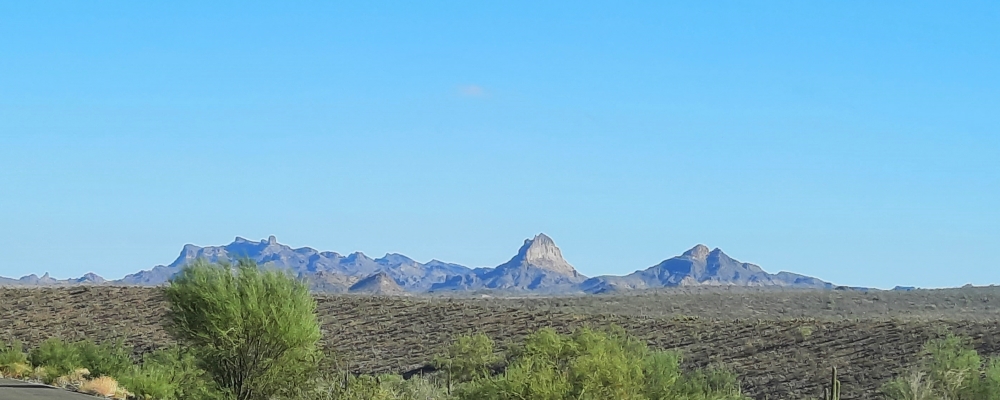
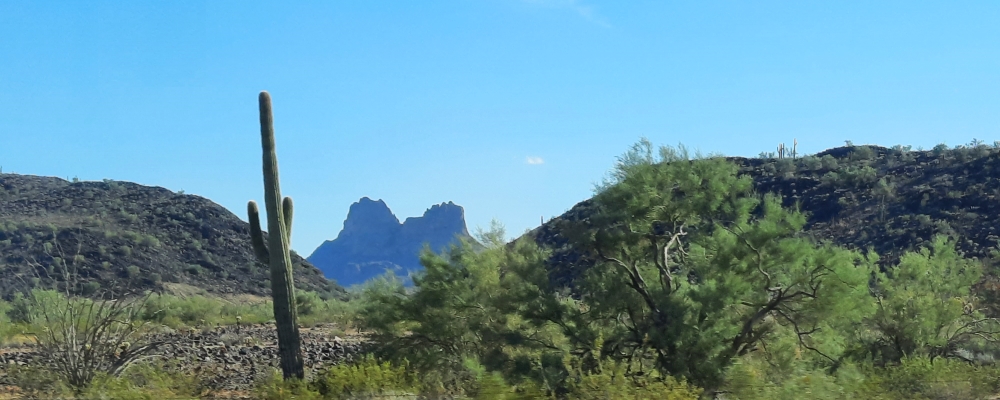
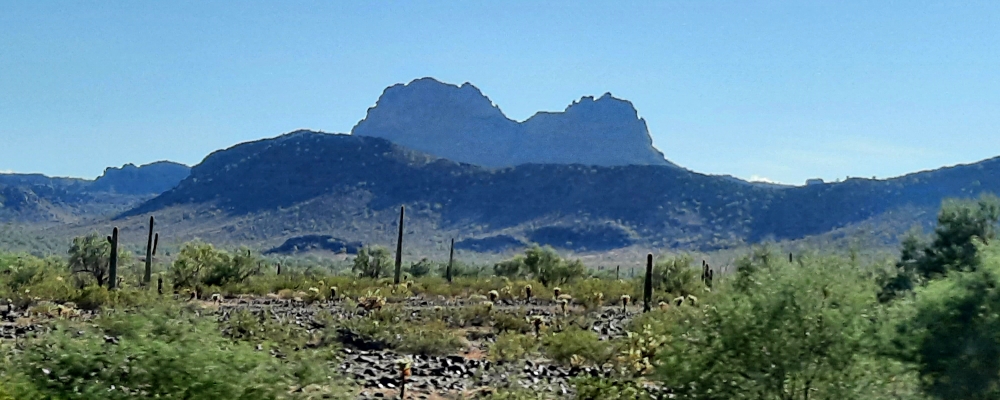
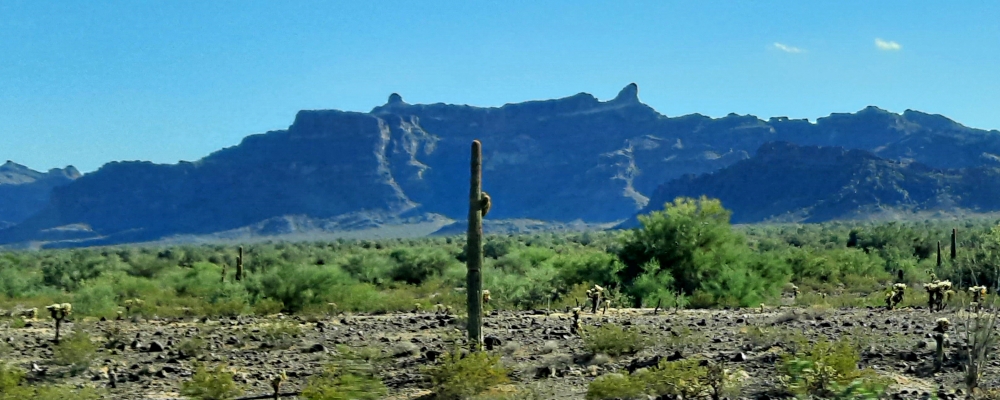
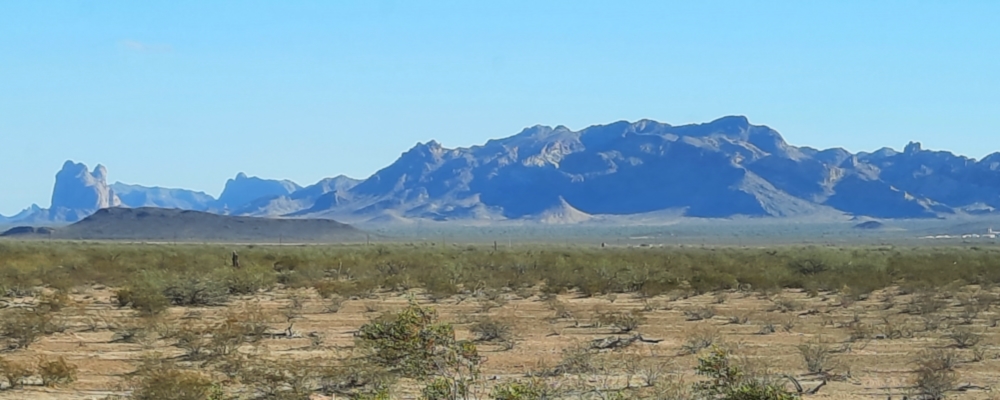
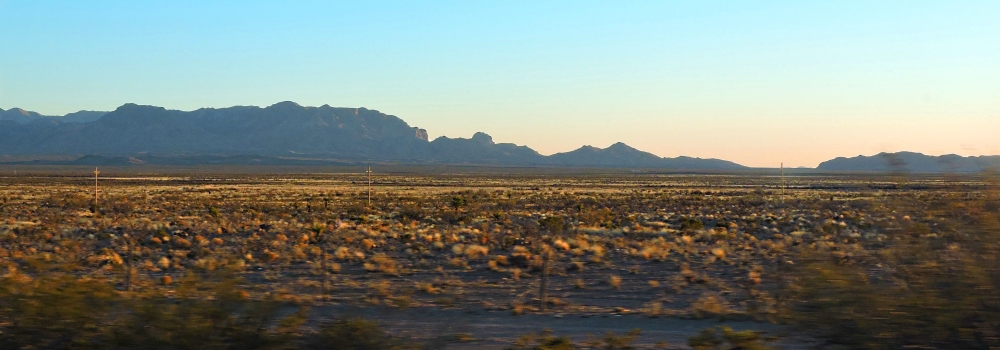
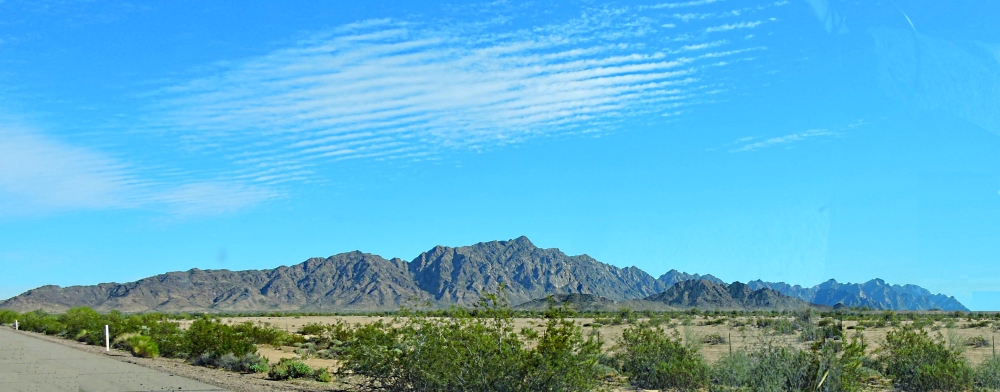
The Basin and Range ecoregion is a vast physiographic region covering much of the inland Western United States and northwestern Mexico. It is defined by unique basin and range topography, characterized by abrupt changes in elevation, alternating between narrow faulted mountain chains and flat arid valleys or basins. The physiography of the province is the result of tectonic extension that began some 17 million years ago, well, according to the
wise men of this world, in the early
Miocene Epoch.
The Basin and Range ecoregion is characterized by
listric normal faulting or, in some area have faults that level out with depth. This is opposite of the upthrown fault block and to the down dropped fault block, called a horst and graben geometry. Common
geographical features include numerous
endorheic basins,
ephemeral lakes, plateaus, and valleys alternating with mountains. The area is mostly arid and sparsely populated, although there are several major metropolitan areas, such as Las Vegas, Phoenix, Tucson and El Paso. Also, most all of the North American deserts are located within the Basin and Range Geographical Region.
Description:
The Madrean Archipelago is a 70,000 square-mile ecoregion of sky island mountain ranges surrounded by an ocean of desert scrub and grasslands. The region, which straddles the US-Mexico borderlands is a blend of tropical and temperate climates and home to a biological diversity that exceeds any other region of the United States.
The Madrean Archipelago Ecoregion, also known as the Madrean Sky Islands or just Sky Islands, covers an area of aproximately 30,000 square miles in the southwest US and about 40,000 square miles in northwest Mexico.
This ecoregion is bounded on the west by the Sonoran Desert ecoregion (2S), on the east by the Chihuahuan Deserts ecoregion (2C), on the north by the Arizona/New Mexico Mountains ecoregion (2N), and on the south by the Sierra Madre Occidental ecoregion (13W) in Mexico.
This area of basin-and-range topography is one of the most biologically diverse in the world. Although the mountains in this ecoregion bridge the Rocky Mountains to the north and the Sierra Madre Occidental to the south, the lower elevations act as a barrier to species dispersal. Nevertheless, the geographic convergence of these two major continental mountain ranges, as well as of the Chihuahuan Desert to the east and the Sonoran Desert to the west, forms the foundation for ecological interactions found nowhere else on Earth.
Location:
This area of the Basin and Range occupies the northwest Mexico, southwest New Mexico and southeast Arizona and is characterized by steep, linear mountains ranges, many rising above 9,000 feet in elevation, alternation with wide desert valley plains.
Southeast Arizona is a sparsely populated, scenic region of the state with a number of historic sights and remote wilderness areas.
Most travelers would only drive straight thought the Arizona IH 10 corridor as I had done for many years, not having any clue what really lies in the remote southeast desert area of Arizona, well, that is except for tumbleweeds and rocks.
Actually, there is much more than that. In fact, the oldest documented evidence of human inhabitants in North America is in this region. For one to experience some of the special features, one would need to take the time from the fast lane (know as the IH 10 coridor) and search for some of the amazing places located in this corner of the lower desert belt of the southwest.
Coordinates:
Elevation:
feet
Geographical Region:
Basin and Range
The Ancients
The Earth
Arizona Ranges:
Counties: Cochise, Gila, Graham
Chiricahua Mountains, Dos Cabezas Mountains, Dragoon Mountains,
Galiuro Mountains, Guadalupe Mountains, Huachuca Mountains,
Little Dragoon Mountains, Little Rincon Mountains, Mule Mountains,
Pedrogosa Mountains, Peloncillo Mountains, Perilla Mountains,
Pinaleño Mountains, Santa Teresa Mountains, Swisshelm Mountains,
Whetstone Mountains, Winchester Mountains,
Counties: Pima, Pinal, Santa Cruz
Atascosa Mountains, Baboquivari Mountains, Huachuca Mountains,
Little Rincon Mountains, Mustang Mountains, Pajarito Mountains,
Patagonia Mountains, Pozo Verde Mountains, Quinlan Mountains,
Rincon Mountains, San Cayetano Mountains, San Luis Mountains,
Santa Catalina Mountains, Santa Rita Mountains, Sierra San Antonio,
Sierrita Mountains, Tortolita Mountains, Tumacácori Mountains.
Chiricahua National Monument, (32.011456, -109.355384)
Organ Pipe Cactus National Monument (31.953908, -112.800050)
Coronado National Memorial
Fort Bowie National Historic Site
Geronimo Surrender Monument
San Pedro Riparian BLM National Conservation Area
The Modern Man
Local Towns:
Benson, a historic rail town;
Bisbee, an old mining town turned artist colony;
Douglas, a border town with interesting architecture;
Tombstone, an ionic wild west, famous for the Wyatt Earp and Clanton conflict;
Wilcox, a historic town and gateway to Chiricahua.
The Steps
Steps Afoot
Steps Afield
The Appendixes
|