|
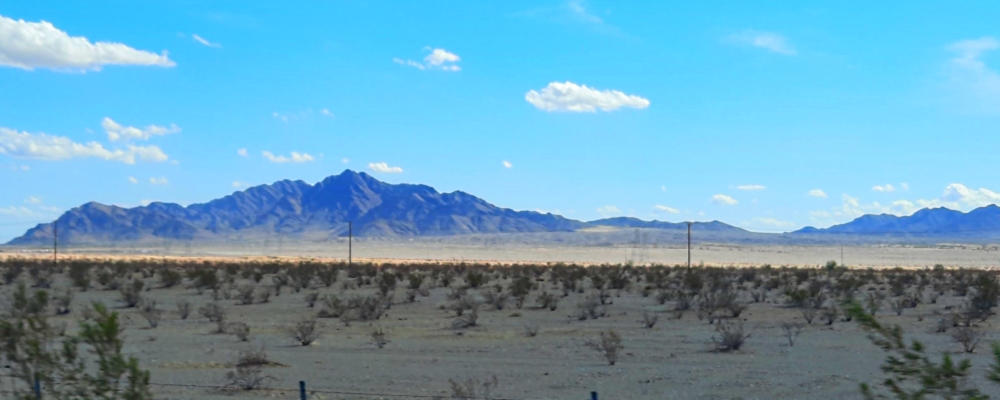
The Sonoran Desert is a hot desert and ecoregion in North America that covers the northwestern Mexican states of Sonora, Baja California, and Baja California Sur, as well as part of the Southwestern United States, in Arizona and California. It is the hottest desert in Mexico and covers an area of 100,000 square miles (260,000 square kilometers).
The Sonoran Desert is clearly distinct from nearby deserts, such as the Great Basin, the Mojave desert, and the Chihuahuan deserts) because it provides subtropical warmth in winter and two seasons of rainfall. This is in contrast, for example, to the Mojave′s dry summers and cold winters, which creates an extreme contrast between aridity and moisture.
Similar in topography to the Mojave Basin and Range (7K) to the north, the Sonoran ecoregion contains scattered low mountains and has large tracts of federally owned lands, a large portion of which are used for military training.
As part of the Basin and Range Geographical Region, the Sonoran Desert ecoregion is slightly hotter than the Mojave Desert ecoregion.
Flora
The Sonoran desert contain a variety of unique endemic plants including the saguaro (Carnegiea gigantea) and organ pipe cactus (Stenocereus thurberi).
However, when comparing the Sonoran Desert to the Mojave Desert, the Sonoran contains large areas of palo verde-cactus shrub and giant saguaro cactus, whereas the potential natural vegetation in the Mojave is largely creosote bush.
Other typical Sonoran plants include white bursage, ocotillo, brittlebush, creosote bush, catclaw acacia, cholla, desert saltbush, pricklypear, ironwood, and mesquite.
Winter rainfall decreases from west to east, while summer rainfall decreases from east to west. Aridisols and Entisols are dominant with hyperthermic soil temperatures and extremely aridic soil moisture regimes.
Fauna
The Sonoran Desert is home to a wide variety of fauna that have adapted and thrive in the hot, arid desert environment, such as the antelope jackrabbit, bobcat, burrowing owl, elf owl, Gila monster, greater roadrunner, mule deer, and western diamondback rattlesnake. Additionally, there are 350 bird species, 20 amphibian species, over 100 reptile species, 30 native fish species, and over 1000 native bee species found in the Sonoran Desert.
The Colorado River Delta was once an ecological hotspot within the Sonoran desert due to the Colorado river in this otherwise dry area, but the delta has been greatly reduced in extent due to damming and use of the river upstream. Species that have higher heat tolerance are able to thrive in the conditions of the Sonoran Desert. One such insect species that has developed the means to thrive in this environment is the Sonoran Desert fly (Drosophila mettleri). This fly contains a specialized P450 detoxification system that enables it to nest in the cool region of exudate moistened soil. Thus, the fly is one of few that can tolerate the high desert temperatures and successfully reproduce.
Furthermore, the Sonoran Desert area southeast of Tucson and near the Mexican border is vital habitat for the only population of jaguars living within the United States.
Other common local species include the sidewinder rattlesnake (Crotalus cerastes), the cactus wren (Campylorhynchus brunneicapillus), the house finch (Haemorhous mexicanus), the zebra-tailed lizard (Callisaurus draconoides), the painted lady butterfly (Vanessa cardui) and the Sonoran bumble bee (Bombus sonorus).
NNN Information:
Description:
Location:
Coordinates:
Elevation:
feet
Geographical Region:
Basin and Range
The Ancients
The Sonoran Desert is home to the cultures of over seventeen contemporary Native American tribes, with settlements at American Indian reservations in California and Arizona, as well as populations in Mexico.
Second Migration
(The Uto-Aztecan Cultures)
Native American cultures include: the Anasazi (Ancestral Pueblo), Chaco, Cochimi, Comanche, Freemont Hohokam, Maricopa, Mogollon, O′odham, Pima, Prescot, Sinagua, Taos, Tumacacore, Navajo, Pima, Yaqui, and many others.
Third Migration
(The Athabascan Cultures)
Native American Cultures include; Chiricahua, Kiowa Apache, Mescalero, Navajo, and others.
The Earth
The Modern Man
The Steps
Steps Afoot
Steps Afield
The Appendixes
|