|
Genus Bellis
The genus Bellis is a division of the flowering plants in the family Asteraceae, is native to Europe, the Mediterranean and northern Aftica. One species has been introduced into North America and other species have been introduced into several other parts of the earth. This genus includes the common daisey (Bellis perennis).
Bellis species are mostly perennials, and grow from 2 to 8 inches (5–20 centimeters) tall. They have simple erect stems, and most species have basal leaves. They have radiate flower heads that are produced one per stem. The genus Bellis has at least thirteen species and several subspecies.
Bellis [Latin bellus: pretty] and Pereninis (Latin: everlasting)
Species:
Bellis perennis
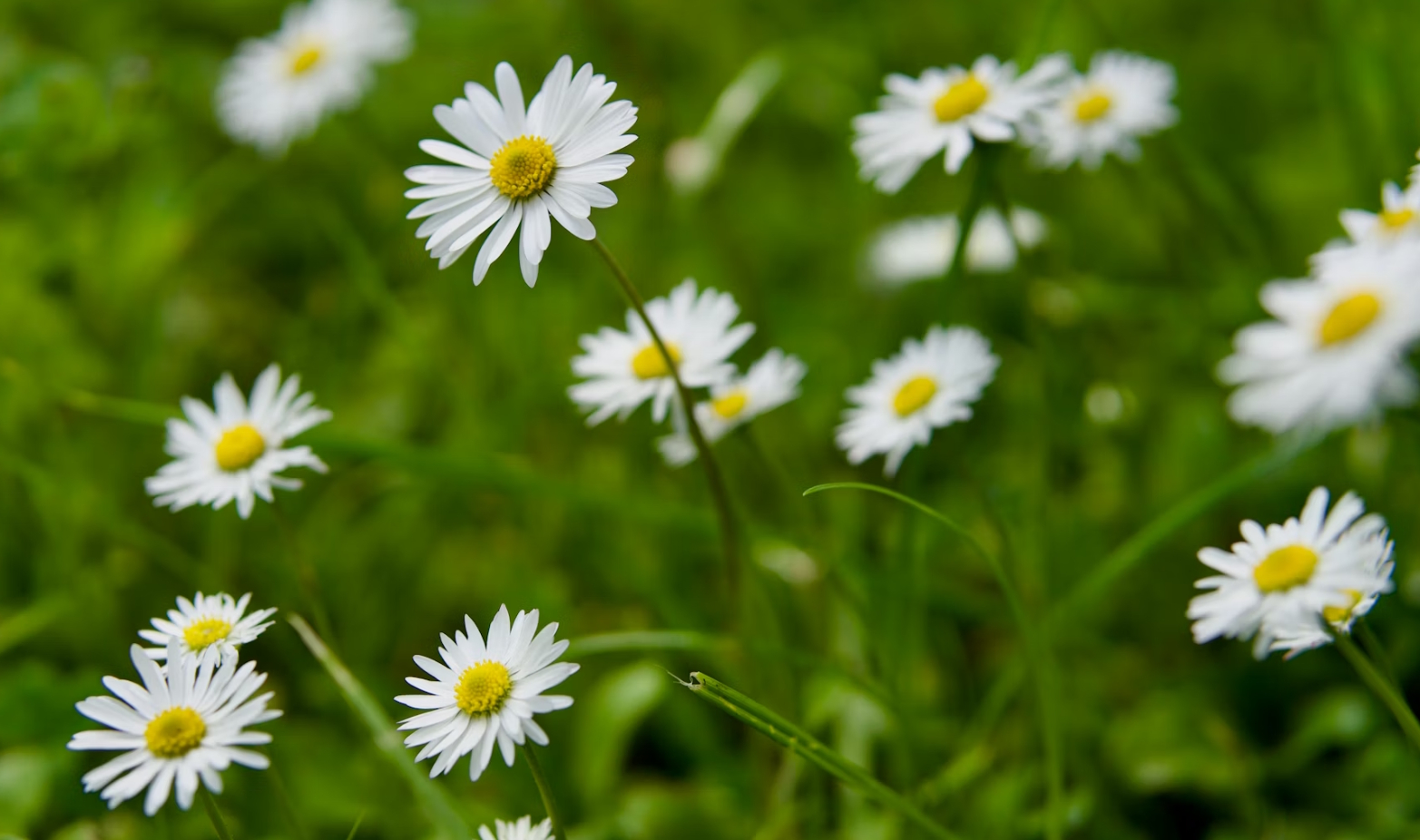
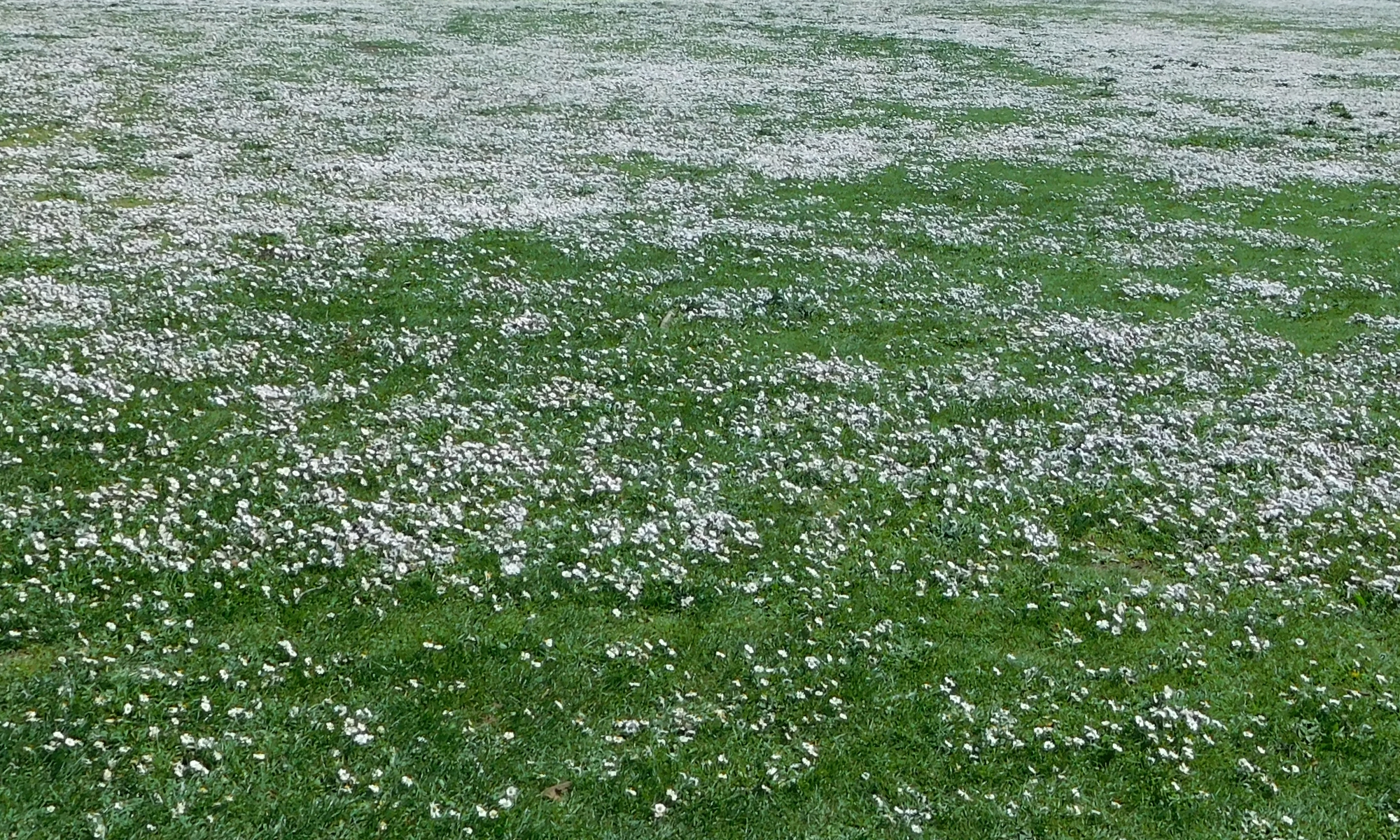
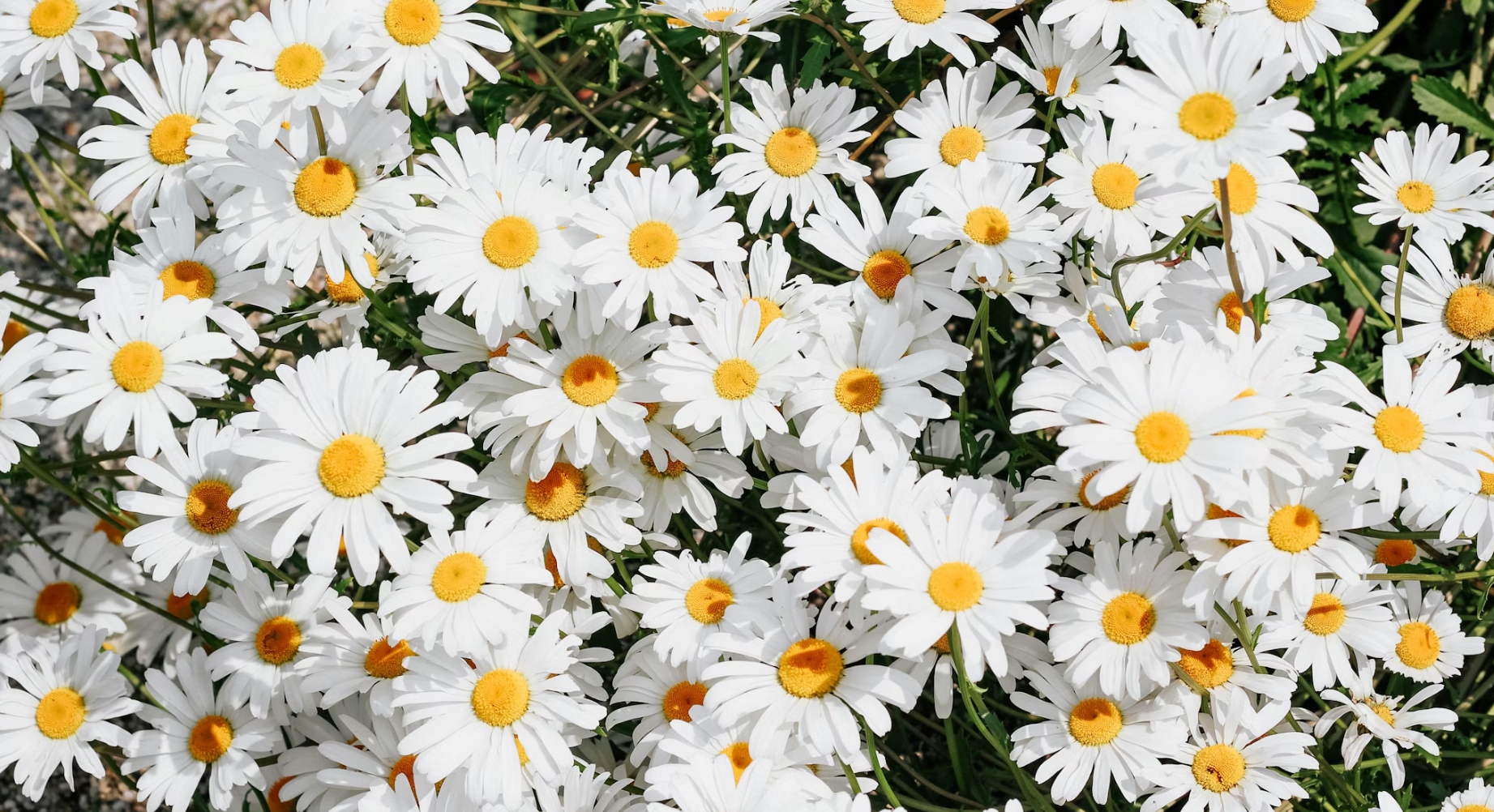
Bellis perennis, known as the daisy, is a European species of the family Asteraceae, often considered the archetypal (or type) species of the name daisy. To distinguish this species from other plants known as daisies, it is sometimes qualified or known as common daisy, lawn daisy or English daisy.
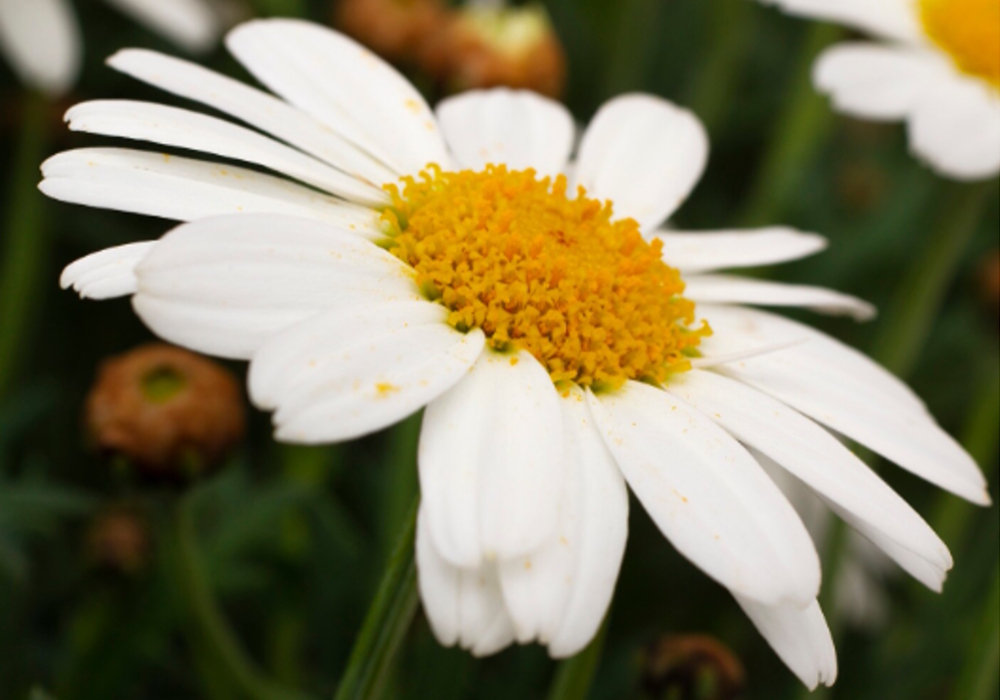
The plant species blooms from early March to late September, depending of latitude and exhibits the phenomenon of heliotropism, in which the flowers follow the position of the sun in the sky. The flower heads are composite, about 3/4 to 1 1/4 inches (2 to 3 centimeters) in diameter, in the form of a pseudanthium [Ancient Greek: false flower], consisting of many sessile flowers with white ray florets (often tipped red) and yellow disc florets. Each inflorescence is borne on a single leafless stem 3/4 to 4 inches (2 to 10 centimeters), rarely 6 inches (15 centimeters) tall. The capitulum, (disc of florets and/or flower head), is surrounded by two rows of green bracts (modified and/or specialized leaf) known as phyllaries. The achenes (or akene, which are the dry fruit) are without pappus (a modified calyx or sepal which are usually green and function as protection for the flower in bud and often supports the petals when in bloom. Collectively, the sepals are called the calyx).
The name daisy, possibly originating with this plant and comes from a corruption of day′s eye, because the entire flower head closes at night and then reopens in the morning. Geoffrey Chaucer called it the eye of the day. In medieval times, Bellis perennis or the English Daisy was commonly known as Mary′s Rose.
|