The Wayƒarers Journal ©

The Journal

The Wayƒarers

The Selƒ

The Journey

The Burden

The Mountain

   The Ancients

     First Wayfarers
     Mound Builders
     Rock Art

       Cave Paintings
       Geoglyphs
       Petroglyph

        Arizona
        California
        New Mexico
        Utah

       Pictograph
       Rock Relief

     Stone Stackers
     Fossils

   The Earth
   The Life
   The Modern Man
   The Nonpareils
   The Steps
   The Way

The Appendix

The Wayƒarer
The Mountain
Go to bottom of this page
THE PETROGLYPH
Bandelier National Monument, New Mexico

The Bandelier Petroglyph Go Down Go up
Location:
The Bandelier National Monument is located northwest of Santa Fe, New Mexico and south of Los Alamos, New Mexico. The park entrance to the monument can be accessed on SH 4 about 8 miles west of White Rock, New Mexico.
From Los Alamos, New Mexico, drive west on SH 501 (W Jemez road) about five miles to SH 4 then turn left. Drive east on SH 4 for almost 6 miles to the entrance to the national monument.
Entrance Coordinates:
35.796024, -106.275089
Entrance Elevation:
6662 feet
Geographical Region

Ancient Steps:
When the desert wayfarer culture, who most likely were part of the second migration, transitioned from hunter-gatherers to a more settled lifestyle, one characterized by dependence on agriculture, social stratification, population clusters and major architecture, they began what is called in the writings of this web site the post-wayfarer cultures (750 CE -1550 CE).
These Anasazi found this canyon perfect for there settlement. The tuff cliffs were easy to carve into and form rooms, there were areas where they could excavate rooms high above the canyon floor and thus provide a safe escape from any enemy that may have attacked them.
When the home was complete, when the crops were all in, when their bellies were full, and when they had enough animal skins to keep them warm, methinks, these people took the time to work on their latest rock art, or, what we call today, petroglyph. Here at Bandelier, the petroglyph are found carved into the tuff cliffs that line the valley, the same cliffs where the people excavated their homes. There are even some pictograph in the ruins.

Campgrounds:
Juniper Campground

Landforms:
Frijoles Canyon
The Ancestral Pueblo people in New Mexico, known on this website as the Anasazi lived here from approximately 1150 CE to 1550 CE. They built homes carved from the volcanic tuff and planted crops in mesatop fields and washes.
Corn, beans, and squash were central to their diet, supplemented by native plants and meat from deer, rabbit, and squirrel. Dogs assisted in hunting and provided companionship. Domesticated turkeys were used for both their feathers and meat.
Colorado Plateau
On October 09, 2009, I begin what is the first day of nearly two weeks visiting the ruins of the ancient stone stackers and it is during these two weeks that so much knowledge about these people and their culture has come into my ken.
Too, this entire two weeks are spent living in the jammer and overnighting in the campgrounds and or nearby towns. So, by living, cooking and eating outdoors, I am able to experience the environment that they may have experienced.
Still, I have been wondering about the origins of the cliffs that all of these ancient people chose to build their homes in. Today, the temperature was quite warm here in the canyon but during my tour of the ruins, I noticed when I climbed into the caves carved out of the cliffs, it was amazingly cool in the back. What a perfect place to get out of the other than perfect weather outside.
How did all of these choice living opportunities come about?
The Petroglyph
Bandelier National Monument
What cause these Cliffs?
I am not yet sure about other areas, but here at Bandelier ruins, about a million years ago, the Jemez volcano just fifteen miles west of here had two massive volcanic eruptions and covered this area with flows of volcanic ash, many hundreds of feet deep, which later compacted into what is now known as tuff. In some places, the tuff was over a thousand feet deep.
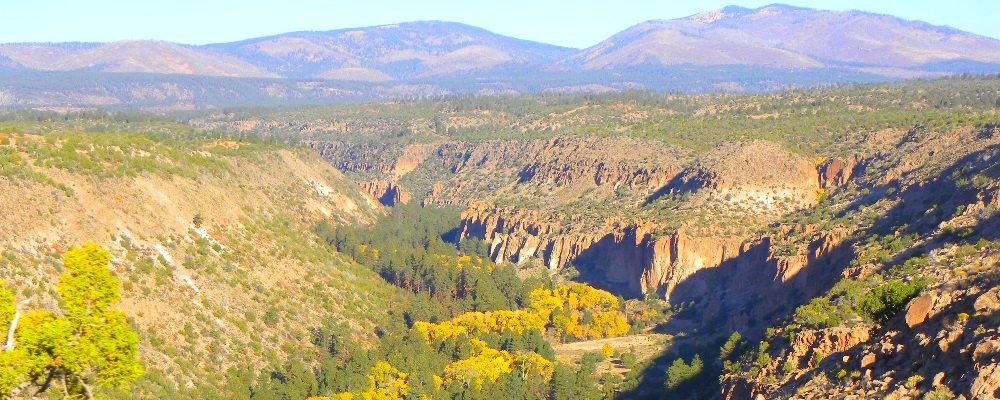
Depending on how quickly it cooled, tuff varies from very hard to very crumbly. Over thousand of years, the frost, rain, streams and wind cut deep canyons into the tuff plateau creating the canyon and mesa terrain shown in the photo above.
Finally, the same elements began to carved holes into the side of the canyon walls of the tuff.

Parks:
Valles Caldera National Preserve (35.851700, -106.455201)

Sites:
Jemez Hot Springs (35.771628, -106.690476)
Jemez Ruins (35.777915, -106.687809)

The 2009 Journey, Bandelier Petroglyph Go Down Go Up
(Day 1081 BR) 47°F.
After driving into the evening, I arrive at Bandelier National Monument and register at the campground. Like almost all of the National Parks Services campground, this one does not have showers, one amenity that would be nice, but I suppose more and more of modern day campers are in motor homes, which most all now have showers built in.
(Day 1080 BR) 55°F.
Juniper Campground
Awake well after sunrise because it was a late night last evening. Soon, I pack out of the campground, drive up the canyon into the national monument, park and begin exploring the Bandelier ruins.
The Petroglyph
Bandelier National Monument
One unique feature about the stone stacker dwellings in this canyon is the stacked stone homes were built adjacent to the tuff cliffs several levels high and then at the back of the stone homes, additional rooms were excavated into the compacted volcanic ash, many of these excavated rooms being quite elaborate.

The Desire to Leave His Mark
As with most ancient people, there are six basic needs; food, water clothing, shelter, companionship, work; yes, the need for most are seven if worship is included. When a man has all seven of these basic needs provided, he then develops a strong desire to leave a mark showing his progeny that he was here.
The Petroglyph
Bandelier National Monument
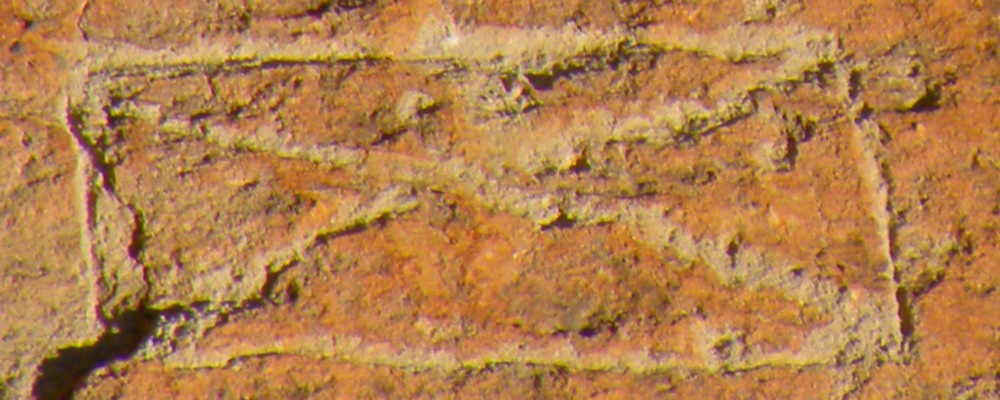
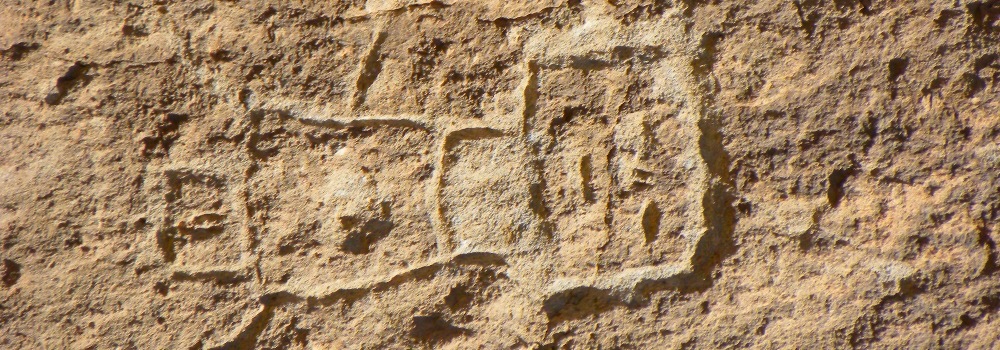
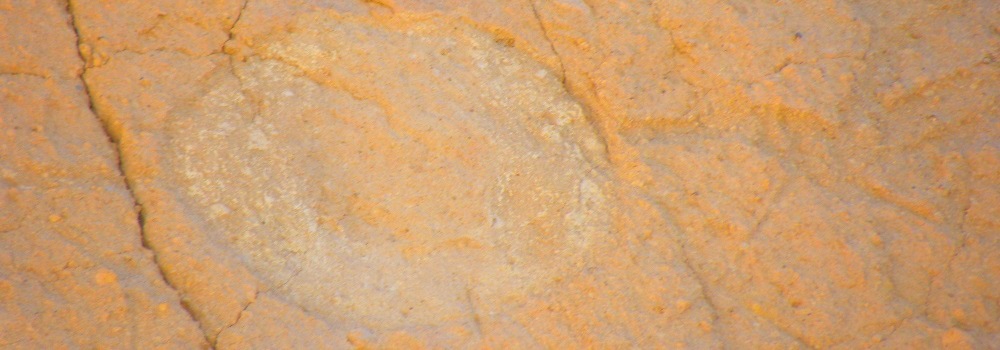
(m1rock-petro-nm-bandelier-2009-1017.1115) Yes, even back then, X marks the spot.

Just Graffiti, You Say?
For centuries, man has been carving, cutting, painting, scratching, and habitually making his mark on the places where he goes. Most would call this graffiti, and by never condoning graffiti, we must needs acknowledge that it is a desire of all men.
Methinks, nowadays, the most creative graffiti to be seen are the murals on the side of train box cars, and even could be classified as a form of cultural art if they were not unlawful to create because of the trespassing necessary for the mark to be made. Nevertheless, even so, today, man still desires to leave his mark.
In this modern world, a civilized man writes a book about what he has learned and accomplished during his life to be left for his progeny to come so that they may come to know about him.
Much like modern time, the ancient wayfarers used stone tools to chip their images, their expressions, yes, even their communications to those who would come after them.
What is so amazing to me is that these images still exist now and because most are protected by law, these images will most likely still exist for the ancient authors to see again when they return in the resurrection.
The Petroglyph
Bandelier National Monument The Petroglyph
Bandelier National Monument
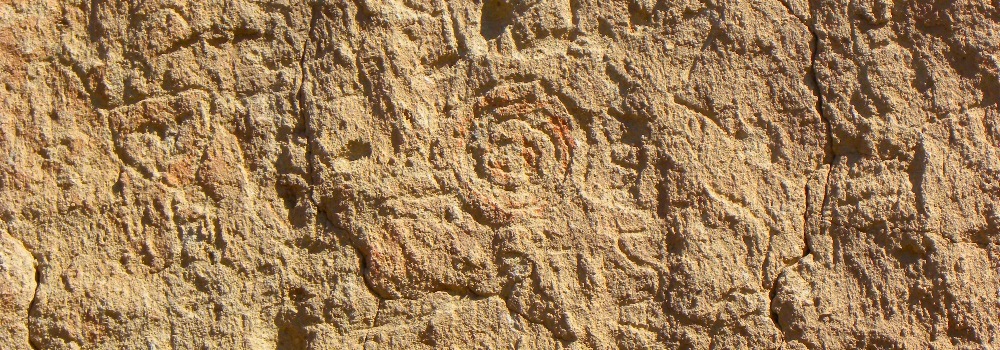
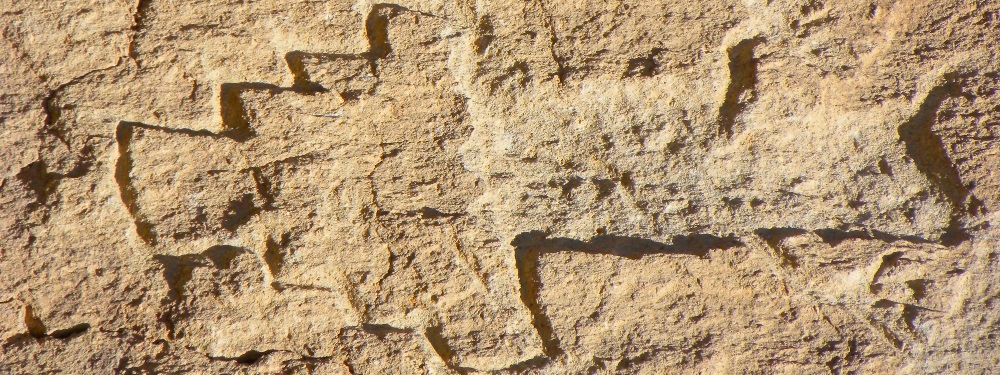
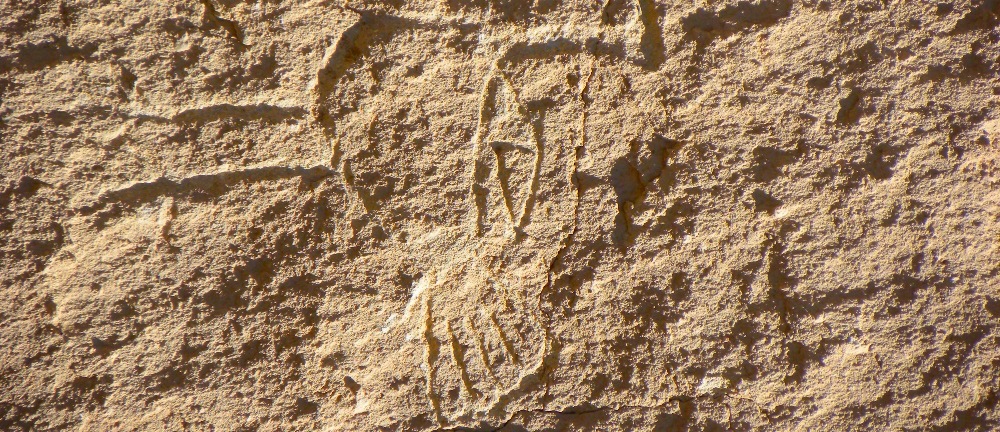
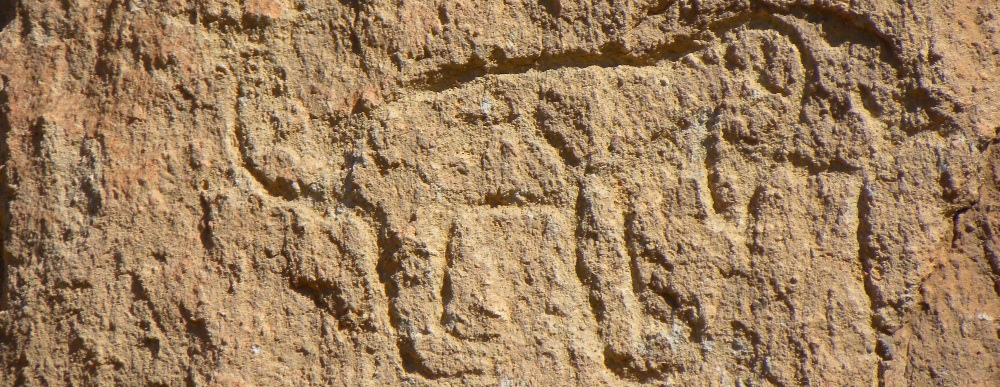
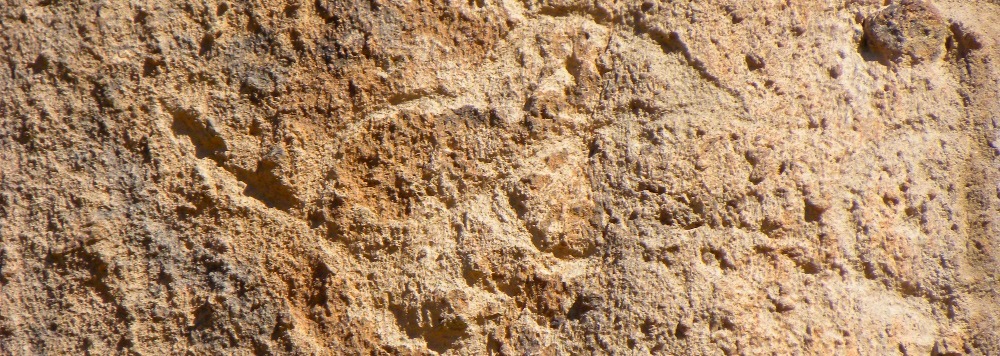
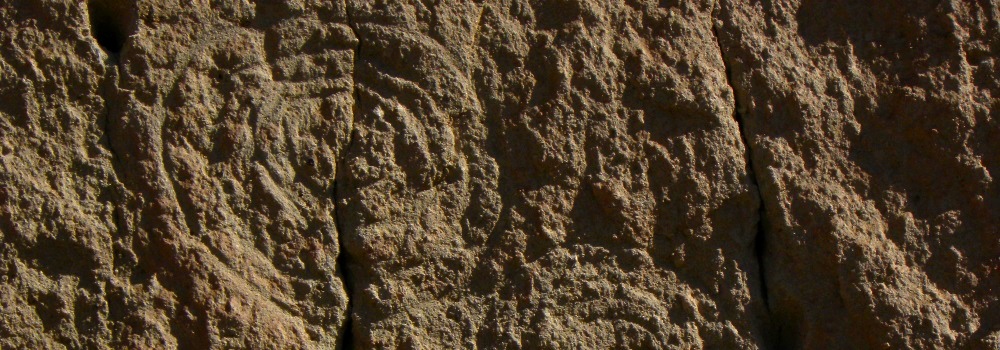
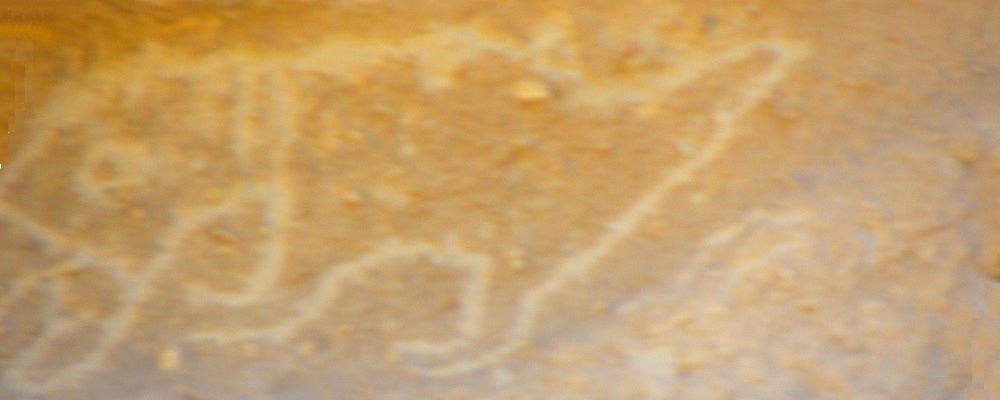
The photos above are showing rock art that is five hundred to one thousand years old. The rock art had been carved in compacted volcanic ash which is dissolved or deteriorated by rain, wind and ice. For any of the petroglyph to have lasted this long, much less have the art content still be determined is truly remarkable.

To go back to the Gallery Index, click on down arrow. Go Back Go to previous section
on this page

Thank you for visiting The Wayƒarers Journal.

See Ya above the Treeline!

This Page Last Updated: 31 March 2026


To continue to the next Episode Level page, Click here go to top
 
The Wayƒarers Journal © ::: Come Join the Journey ™
by Thom Buras
Come Join the Journey ™