|

|
|
|

|

|
|
|
The
Arthropoda, Class Level Index


|
|
|
The name comes from the Ancient Greek arthron meaning joint plus pous meaning foot because these animals are distinguished by their jointed limbs.
Arthropods are invertebrates which are covered with a tough, resilient exoskeleton made of cuticle having an outer layer consisting of chitin.
2 The body consists of segments, each containing a pair of appendages, with each body and limb section encased in the hardened exoskeleton. The joints between the segments are covered by flexible cuticle.
Arthropods are bilaterally symmetrical with some of the species having wings. Also, the arthropod body consists of segments, each containing a pair of appendages. Too, for these animals to keep growing, they must go through stages of moulting, which is a process of shedding the old exoskeleton after growing a new one that is not yet hardened. The moulting cycles continue until the arthropod reaches its full size.
According to the wise men of this world, the animals of the phylum Arthropoda date back to the early
Paleozoic era, from the Cambrian through the Silurian periods.
Class Level Index
The Arthropoda phylum includes four separate class divisions: arachnida; crustacea; insecta; and myriapoda.
Taxonomy:
Kingdom:
Animalia
Phylum:
Arthropoda
Class:
Arachnida:
Mites, Spiders, Scorpions, Ticks
Crustacea:
Barnacles, Decapod, Krill, Mantis, Water fleas
Insecta:
Ants, Bees, Butterflies, Dragonflies, Flies, Grasshopper, Moths, Wasps.
Myriapoda:
Centipedes, Millipedes
Conservation Status Legend
EX Extinct
EW Extinct in the Wild
CR Critically Endangered
EN Endangered
VU Vulnerable
NT Near Threatened
CD Conservation Dependent
LC Least Concern
NL Not Listed
|
| |
|
The Class
Arachnida
|
|
|
The Arthropoda class Arachnida consists of over 100,000 species (2018) and includes: barrel spiders, harvest spiders, horseshoe crabs, mites, pseudoscorions, scorpions, spiders, ticks.

(m3an-ar-ara-aran-ther-blackwidow) The L. tredecimguttatous
Photo Credit: Wikimedia Commons
Taxonomy:
Kingdom:
Animalia
Phylum:
Arthropoda
Class:
Arachnida
over 110,000 species (2023)
Includes: barrel spiders, harvest spiders, mites, pseudoscorpions,
scorpions, spiders, ticks, horseshoe crabs.
mites (32,000 species)
whip scorpions (250 species)
spiders (51,000 species)
daddy-long legs, harvestmen (6,700 species)
micro-whipscorpions (130 species)
ticks (12,000 species)
Order:
Pseudoscropioinida
pseudoscorpions (4,000 species)
hooded tickspiders (100 species)
whip scorpions (350 species)
scorpions (2,700 species)
camel spiders (1,200 species)
Uropygi spiders, vinegaroons (120 species)
|
| |
|
The Class
Crustacea
|
|
|
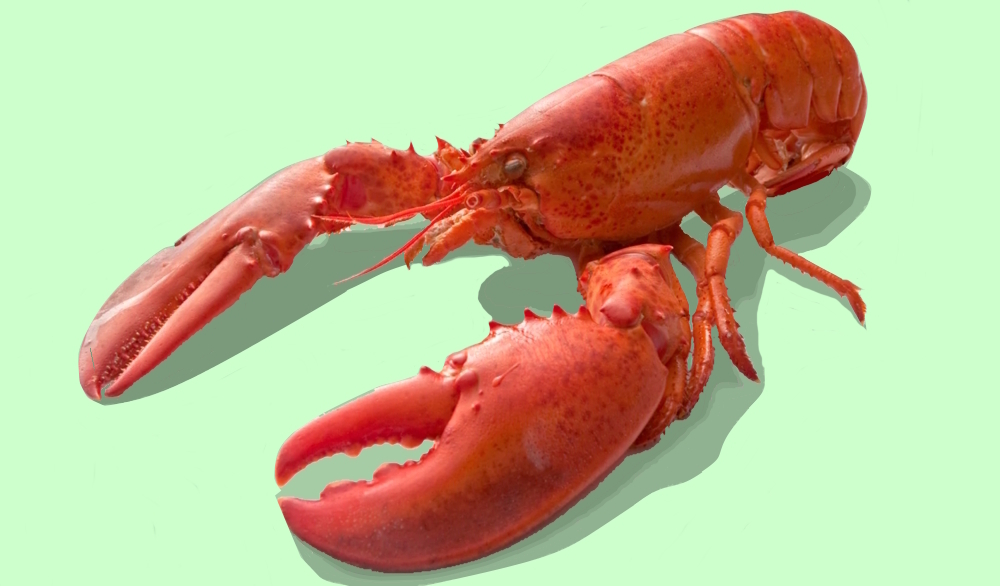
The Arthropoda class Crustacea consists of over 67,000 species (2023) and includes: barnacles, brine, crabs, crayfish, king crabs, krill, lobsters, prawn, shrimp, slaters, water fleas, water lice.
Taxonomy:
Kingdom:
Animalia
Phylum:
Arthropoda
Class:
Crustacea
67,000 species (2023)
Includes: barnacles, brine, crabs, crayfish, king crabs, krill,
lobsters, prawn, shrimp, slaters, water fleas, water lice.
Orders:
Branchipoda, fairy shrimp, water fleas (300 species)8
Cephalocarida, horseshoe shrimp (12 species)
Copepoda, Oar feet (13,000 species)
Ichthyostraca, fish lice (130 species)
Malacostraca, decapods, krill, mantis shrimp (40,000 species)
Mystacocarida, sand crustations (13 species)
Ostracoda, seed shrimp (13,000 species)
Remipedia, venomous crustacean (20 species)
Tantulocarida, parasitic crustacean,(33 species)
Thecostraca, marine barnacle (20,000 species)
|
| |
|
The Class
Insecta
|
|
The Arthropoda class Insecta consists of over 1.25 million species
1 (2023) and is the most diverse group of all other animals groups, not just those in the phylum Arthropoda, which number of species represents more than half of all known living organisms. Amazingly, the total number of living species in the class Insecta is estimated to be upwards to as many as ten million, which is potentially amounting to over 90% of all different life forms on Earth.
This is a group of invertebrates that have a chitinous exoskeleton, a three part body (head, thorax and abdomen), three pairs of jointed legs, compound eyes and one pair of antennae.
The class Insecta includes: ants, aphids, bees, beetles, bristletails, butterflies, cockroaches, crickets, earwigs, fleas, flies, grasshoppers, dragonflies, lacewings, lice, mayflies, moths, stick and leaf insects, stoneflies, stylopids, termites, thrips, true bugs, wasps, and web spinners.

Kingdom:
Animalia
Phylum:
Arthropoda
Class:
Insecta
1.25 million species (2023)
Subclass:
Monocondylia
hump-backed/jumping bristle-tails
This order contains two families , 53 genera with 600 species
Subclass:
Dicondylia
All insects except for the bristle-tails above.
Superorder:
Pterygota
Order:
cockroaches, termites, 7,314 species
beetles, 386,500 species
earwigs, 1,978 species
flies, 155,477 species
footspinners, 463 species
mayflies, 3,240 species
cicada (true bugs), 103,590 species
ants, bees, wasps, 116,861 species
butterfly, moths, 157,338 species
mantises, 2,400 species
scorpionflies, 757 species
alderflies, dobsonflies, 354 species
antlions, lacewings, 5,868 species
icebugs, mantos, 54 species
dragonfly, damselfly, 5,899 species
crickets, grasshoppers, locus, 23,855 species
walking sticks, 3,014 species
stoneflies, 3,743 species
booklice, 5,720 species
louse, 5,000 species
snakeflies, 254 species
fleas, 2,500 species
endoparasites, 609 species
thrips, 5,864 species
caddisflies, 14,391 species
angel insects, 37 species
Superorder:
Zygentoma
Order:
Zygentoma, silverfish, 560 species
|
| |
|
The Class
Myriapoda
|
|
|
The Arthropoda class Myriapoda consists of over 13,000 species (2023) and includes: centipeds, millipedes and other small myriapods.
The name comes from Ancient Greek work murion meaning ten thousand plus pous meaning foot. As if there was a need for it, the scientific study of myriapods is myriapodology, and those who study myriapods are myriapodologists.
Description:
Myriapods have a single pair of antennae, and usually simple eyes, however, a few of the species are eyeless.
Myriapods breathe through spiracles that connect to a tracheal system similar to that of insects. There is a long tubular heart that extends through much of the body, but usually few, if any, blood vessels.
A few species are able to produce and emit light and therefore are bioluminescent.
The majority of myriapods are herbivorous, except for the centipedes, which are nocturnal predators.
Habitat:
Myriapods are most abundant in moist forests, where they fulfill an important role in breaking down decaying plant material, although some live in grasslands, semi-arid habitats, deserts and a small few live along the sea shore (littoral).
Range
All of the Myriapods are terrestrial and can be found in the soil of all continents except for Antarctica.
Kingdom:
Animalia
Phylum:
Arthropoda
Class:
Chilopoda
centipedes
Five extant Orders with about 7,000 to 8,000 species
Diplopoda
millipedes
Sixteen extant orders with about 12,000 species
Pauropoda
small myrapods
Two orders with over 900 species
Symphyla
garden centipedes
Two orders with over 200 species
|
| |
|
The Class
Incertae Sedis
|
|
|
Incertae Sedis
In the Latin language, the above tern means Uncertain Placement and it has become the primary term used for taxa whose broader relationships are undefined or controversial.
However, the problem with using this term results in the non-placement of one of more species. And according to the Wise Men of this world, all species must have a home (or otherwise called a scientific nomenclature including the family, genus and species.)
Therefore, because those of the Wise Men still have a lot of work to do the find the last detail of each living organism, I will leave some species here in the Incertae Sedis category.
Kingdom:
Animalia
Phylum:
Arthropoda
(previously in Class Aracnida)
(previously in Class Aracnida)
Orders:
Xiphosura
horseshoe crabs (Family of Xiphosurans: Limulidae)
Family:
Limulidae
Three genera, four species
Genera: Carcinoscorpius, Limulus, Tachpleus
Class:
Pycnogonida
pycnogonids, commonly known as sea spiders
Extant: One order, two suborders, 11 families, 80 genera, 1,300 species
Order:
Pantopoda
Family:
Pycnogoniae
Type Genus
Genus: Pycnogonum
Species: P.litoral
Marine arthropod found in the:
Northern Atlantic Ocean, the North Sea,
English Channel and western Mediterranean Sea
|
| |
| |
|
To go back to the Phylum Level page, click on down arrow.
|
|
|
Thank you for visiting
The Wayƒarers Journal.
| |
See Ya above the Treeline!
| |
This Page Last Updated: 30 June 2026
|
|
|
|
To continue to the next Episode Level page,
Click here

|
|
| |



