The Wayƒarers Journal ©

The Journal

The Wayƒarers

The Selƒ

The Journey

The Burden

The Mountain

   The Ancients

     First Wayfarers
     Mound Builders
     Rock Art
     Stone Stackers

      Arizona
      California
      Colorado
      New Mexico
      Utah
      Chihuahua, Mex
      Sonora, Mex

     Fossils

   The Earth
   The Life
   The Modern Man
   The Nonpareils
   The Steps
   The Way

The Appendix

The Wayƒarer
The Mountain
Go to bottom of this page
THE ANASAZI CULTURE
Arizona: Canyon de Chelly Ruins

The Anasazi Culture, Canyon de Chelly Ruins Go Down Go Up
de Chelly is Pronounced de-Shay
Located in northeast Arizona, this national park lies within the boundaries of the Four Corners region of the Navajo Nation. This park preserves the ruins of the indigenous tribes who lived in the area, from the Anasazi (or Ancient Puebloans) to the Navajo (who call themselves the Diné), the later occupying the area some time shortly prior to when the Spanish arrived in the 1540′s and long after the ancient Puebloan .
The park encompasses the floors and rims of three major canyons: de Chelly, del Muerto, and Monument. All three canyons have their head waters in the Chuska Mountains a short ways east of the canyons. Although the visitors center is managed by the park service, none of the park land is federally owned.
The De Chelly Canyon
at Canyon de Chelly
(m1stone-anasazi-az-dechelly-2009-1010.0949) Canyon de Chelly
No entrance fee is charged to enter the park, apart from any charges imposed by tour companies.
All Services In the Park
All services and business established within the park are run by the Navajo. Private Navajo-owned companies offer tours of the canyon floor by horseback, hiking or four-wheel drive vehicle, which companies can be contacted directly for prices and arrangements. Some forty Navajo families live in the park.
Access to the canyon floor is restricted, and visitors are allowed to travel in the canyons only when accompanied by a park ranger or an authorized Navajo guide. The only exception to this rule is the White House Ruin Trail.
Most park visitors arrive by automobile and view Canyon de Chelly from the rim on the North Rim Drive or South Rim Drive or both where the ruins and structures are visible at a distance at view points on these routes.

The 2009 Journey, Canyon de Chelly Go Down Go Up
The Rock Canyon, Navajo: Tséyi′
The Chelly (pronounced Shay) is the Spanish-English corruption of Tséyi′, which is the Navajo word for Rock Canyon.

The Rock Canyon Farms
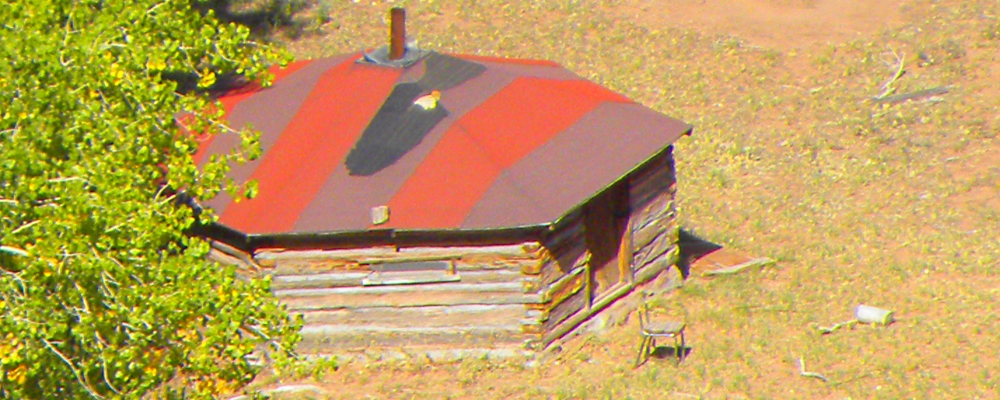
On the floor of the canyon, the Navajo farms still reveal traditional farming patterns even though the steel hoes and plows have replaced their digging sticks, and pick-up trucks now outnumber the horses being used.
These Navajo farms produce crops for the individual families who live on the canyon floor and often little is left over for sale.
Tséyi′ Farm Home
at Canyon de Chelly
(m1stone-anasazi-az-dechelly-2009-1010.1216) The Tséyi′ Canyon Farm Home
This marginal life style, that is the productions of crops for food remains threatened by late spring and early fall frosts, sandstorms, summer droughts and even at times a torrential rainstorm.

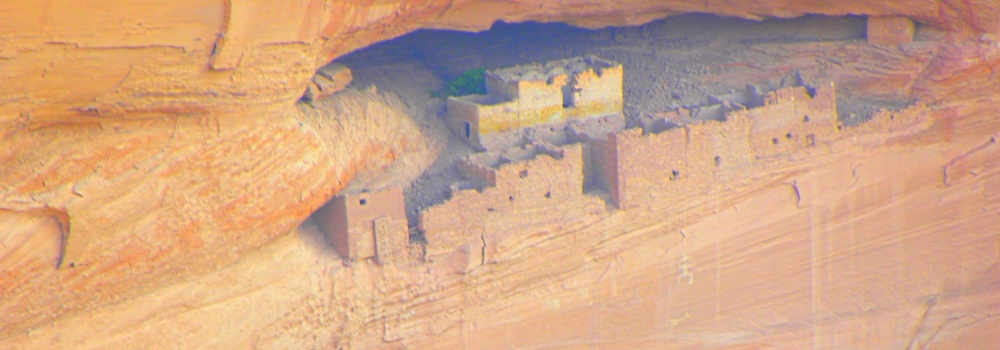
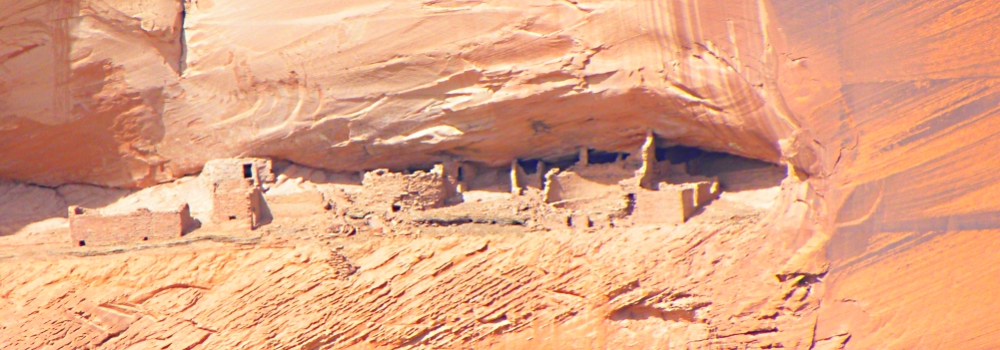
The White House
at Tséyi′
(m1stone-anasazi-az-dechelly-2009-1010.0907) The White House at Tséyi′ (Rock Canyon)
Below the White House
at Tséyi′
(m1stone-anasazi-az-dechelly-2009-1010.0906) Below White House at Tséyi′ (Rock Canyon)
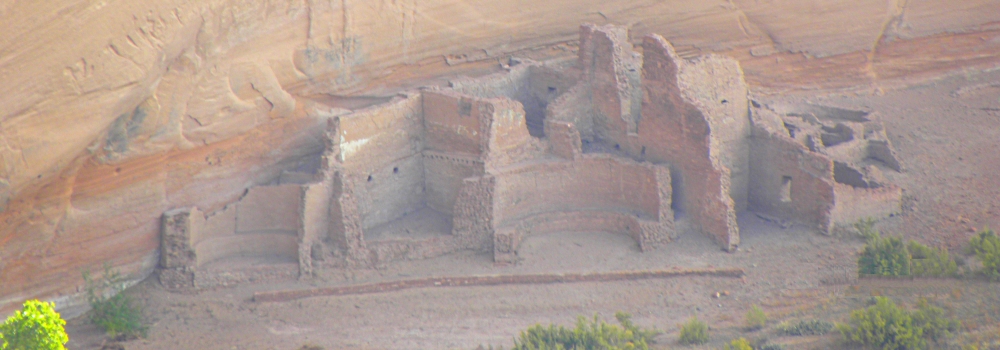
The Ruins
at Tséyi′
(m1stone-anasazi-az-dechelly-2009-1010.0908) The Ruins at Tséyi′ (Rock Canyon)
The Ruins
at Tséyi′
(m1stone-anasazi-az-dechelly-2009-1010.0932) The Ruins at Tséyi′ (Rock Canyon)
The Ruins
at Tséyi′
(m1stone-anasazi-az-dechelly-2009-1010.0935) The Ruins at Tséyi′ (Rock Canyon)
The Ruins
at Tséyi′
(m1stone-anasazi-az-dechelly-2009-1010.0940) The Ruins at Tséyi′ (Rock Canyon)
The Ruins
at Tséyi′
(m1stone-anasazi-az-dechelly-2009-1010.0941) The Ruins at Tséyi′ (Rock Canyon)
The Ruins
at Tséyi′
(m1stone-anasazi-az-dechelly-2009-1010.1245) The Ruins at Tséyi′ (Rock Canyon)

The 2009 Journey, Spider Rock Go Down Go Up
The Spider Rock, Navajo: Tsé Ná ashjéé′ii
Spider Woman is an important deity in Navajo mythology and it was she who taught the People how to weave. This place is sacred to the Navajo and they believe there is purity and strength here. Too, they look at this as a place strong in the oneness of earth and sky and all things.
Navajo Song of the Earth: I am indeed the child. Absolutely, I am earth′s child.
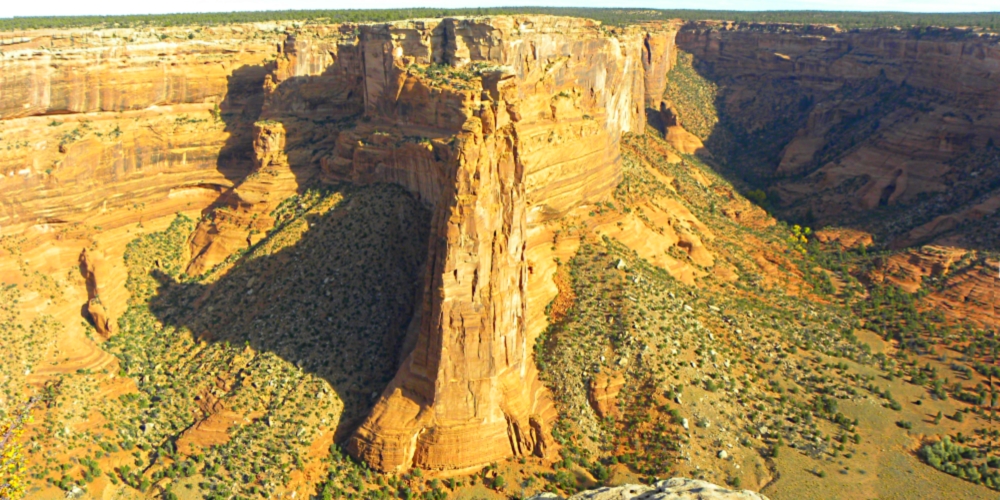
The Spider Rock
at Canyon de Chelly
(m1stone-anasazi-az-dechelly-2009-1010.0944) The Spider Rock
The Spider Rock
at Canyon de Chelly
(m1stone-anasazi-az-dechelly-2009-1010.0948) The Spider Rock
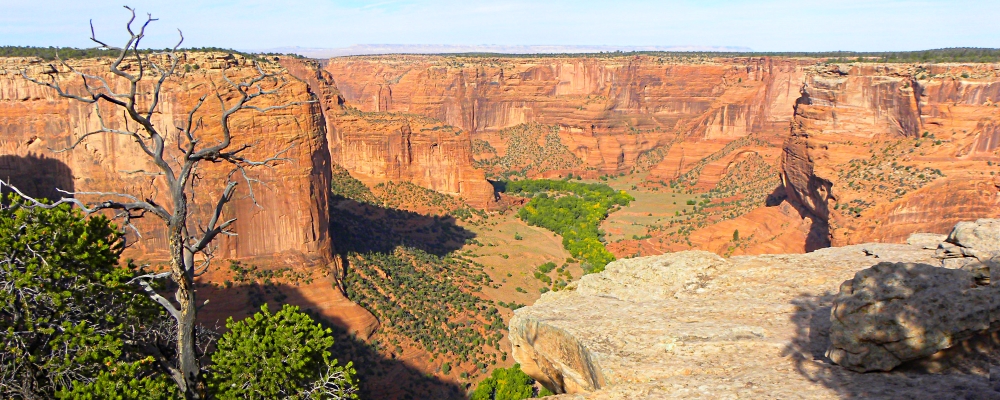
The Spider Rock Canyon
at Canyon de Chelly
(m1stone-anasazi-az-dechelly-2009-1010.0946) Spider Rock Canyon
The Spider Rock Canyon
at Canyon de Chelly
(m1stone-anasazi-az-dechelly-2009-1010.0947) Spider Rock Canyon
The Spider Rock Canyon
at Canyon de Chelly
(m1stone-anasazi-az-dechelly-2009-1010.0949) Spider Rock Canyon

To go back to the Culture Index, click on down arrow. Go Back Go to previous section
on this page

Thank you for visiting The Wayƒarers Journal.

See Ya above the Treeline!

This Page Last Updated: 31 March 2026


To continue to the next Episode Level page, Click here go to top
 
The Wayƒarers Journal © ::: Come Join the Journey ™
by Thom Buras
Come Join the Journey ™