|
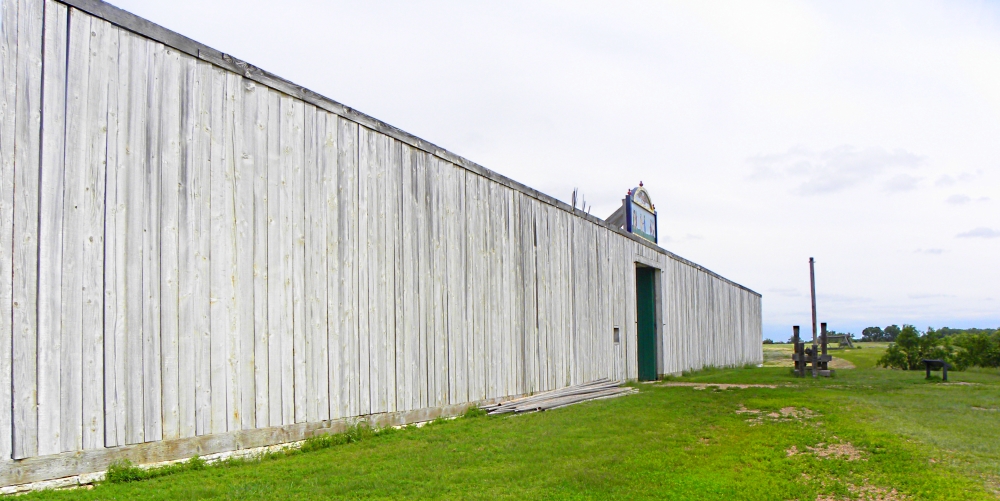
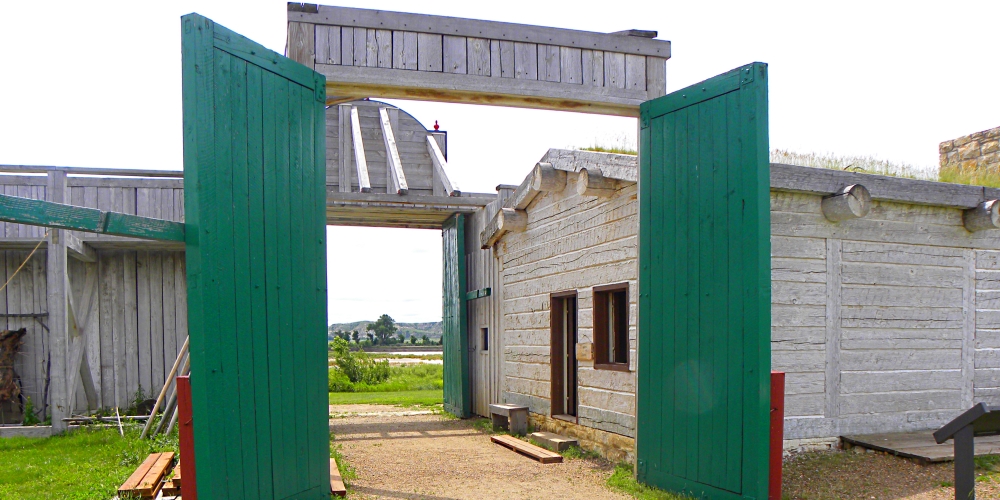
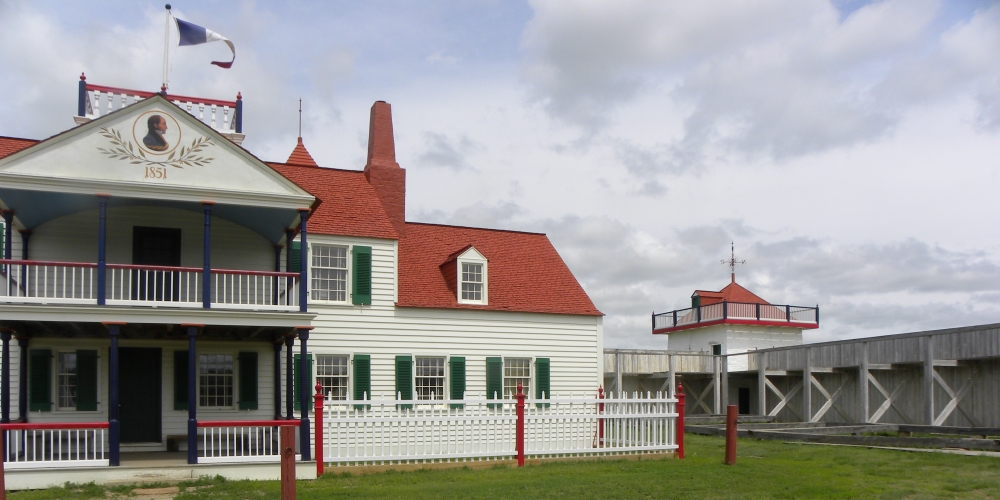
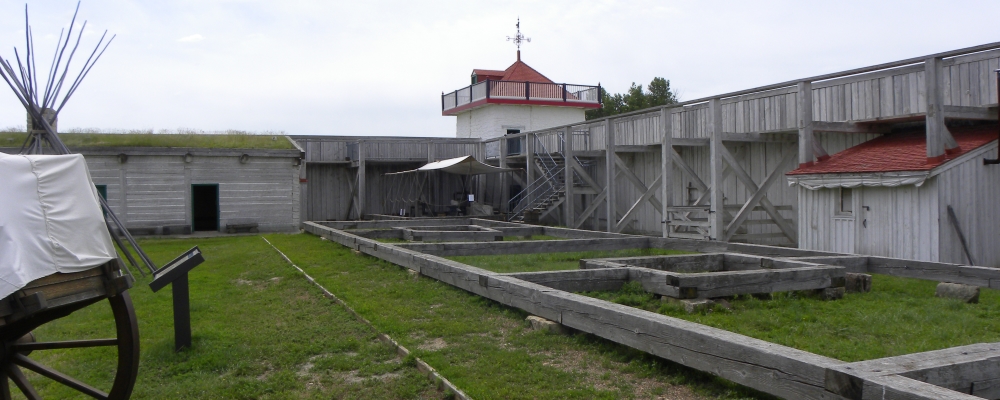
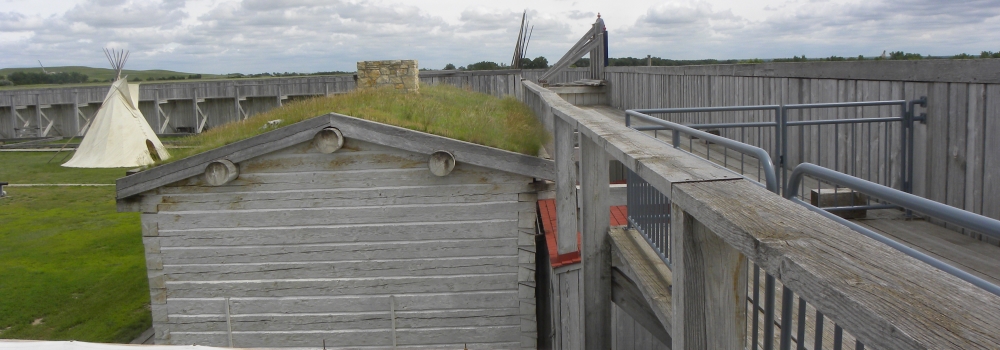
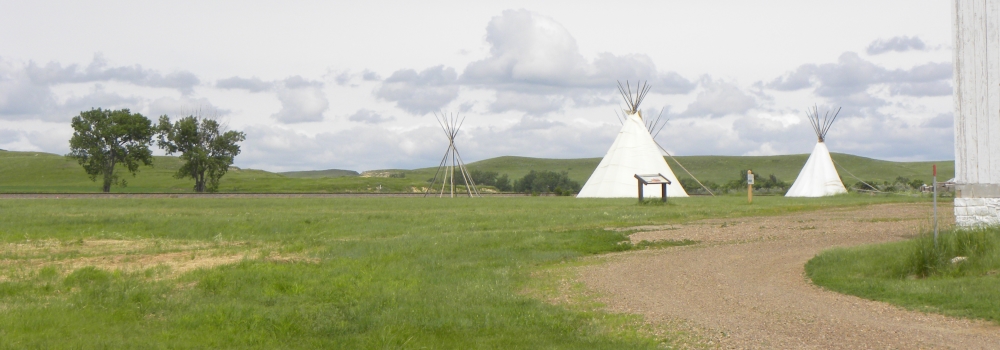
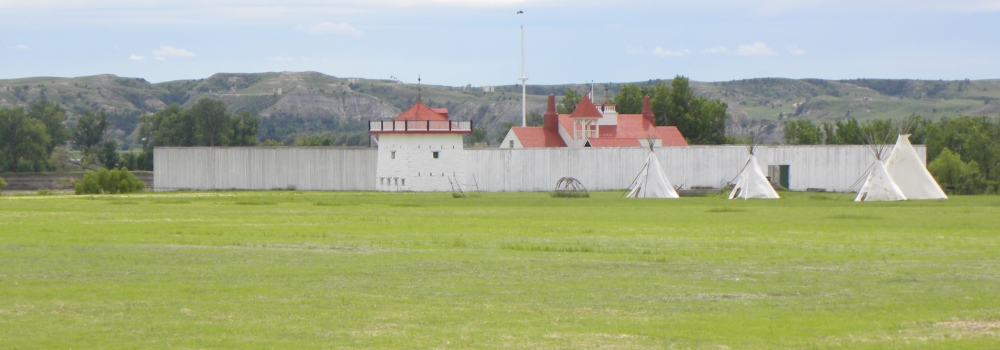
Fort Union Trading Post existed upon the northern Great Plains for nearly forty years and was a very important fur trade post on the Upper Missouri River. Here, the Northern Plains Tribes exchanged buffalo robes and other furs for a variety of goods from around the world, including cloth, guns, blankets, and beads.
The trading post served as a place of peaceful coexistence with the indigenous people and the post traded about one hundred thousand dollars of merchandise for over 25,000 buffalo robes every year of its operation.
Located near the confluence of the Missouri and Yellowstone rivers, this fort is neither a government nor a military installation but a privately owned commercial company established to operate a trading business intended to acquire the furs, hides and pelts made available by the northern plains indigenous people.
These indigenous people of the northern plains included: Assiniboine, Plains Cree, Blackfeet, Plains Chippewa, Mandan, Hidatsa and Arikara who would come to this trading post to receive manufactured materials including such items as: calico cloth, guns and ammunition, clothing, pipes, beads, and cooking ware.
Fort Union Trading Post Information:
Year Built:
1828
Year Closed:
1867
Type Construction:
Wooden Beam
Location:
Coordinates:
47.9994112, -104.0427726
Elevation:
1875 feet
Address:
15550 ND Highway 1804, Williston, ND 58801
Entrance Fee:
Free
Ancient Steps:
Obal, together with his sons departed from Joktan in the lowland lakes region of what is now Canada. From his departure, Obal was to move to the southeast and settle along the shore of Lake Superior. Along his path to where he eventually made his homeland, several of his sons departed him to find there own homelands.
These homelands of the sons of Obal came to become the many nations and tribes of the northern
Great Plains as well as the
Interior Lowlands regions of North America.
|