|
Genus: Equus, Species: guagga
Subspecies: guagga
Conservation Status: Near Threatened
Description
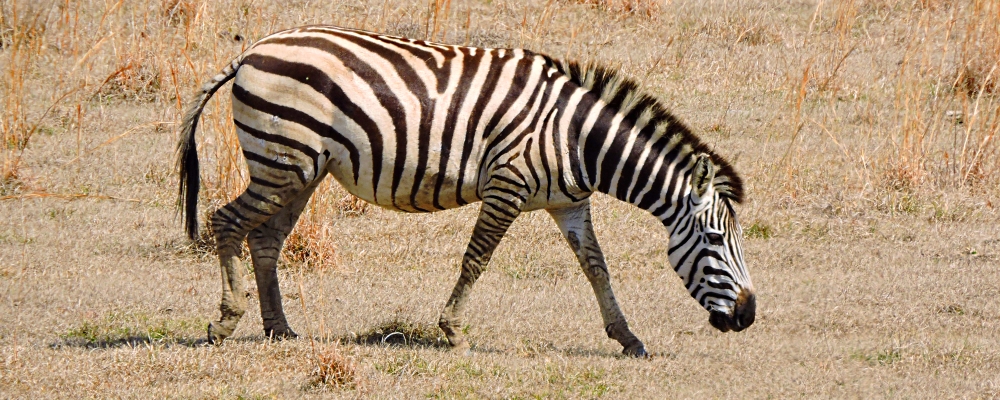
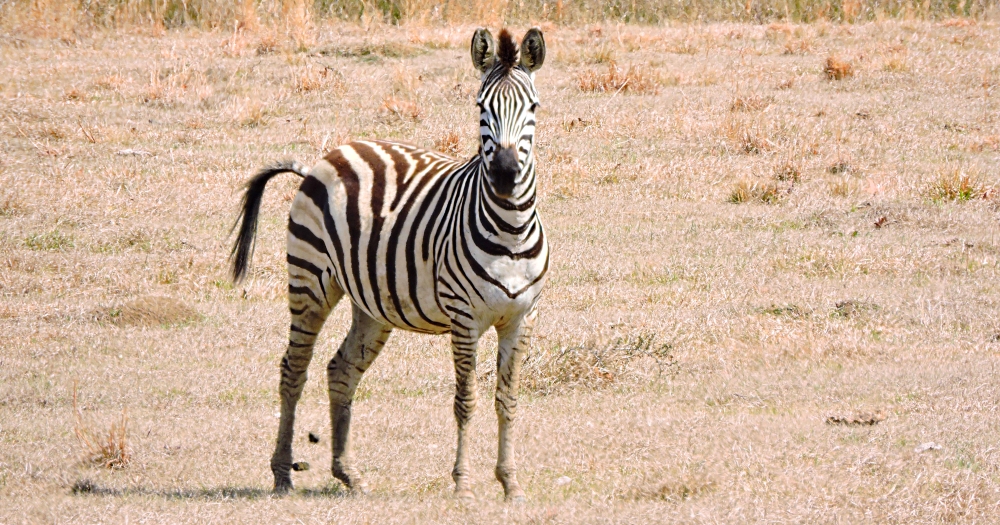
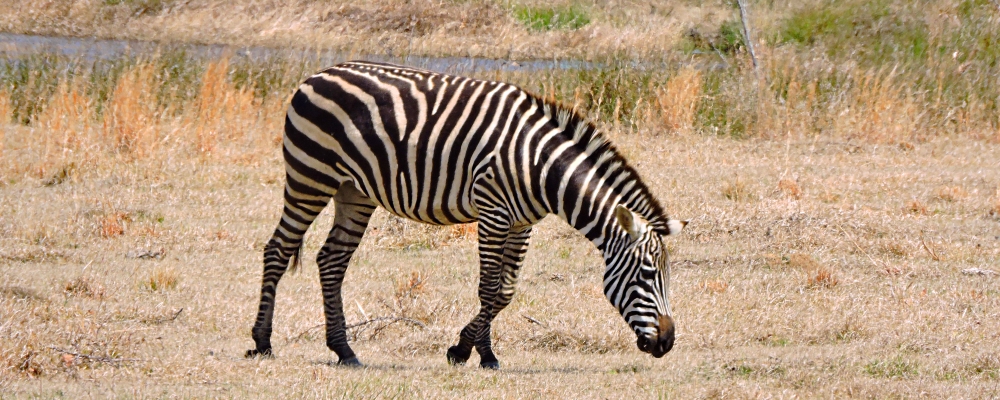
The plains zebra, also known as the common zebra or Burchell′s zebra, is the most common and geographically widespread species of zebra.
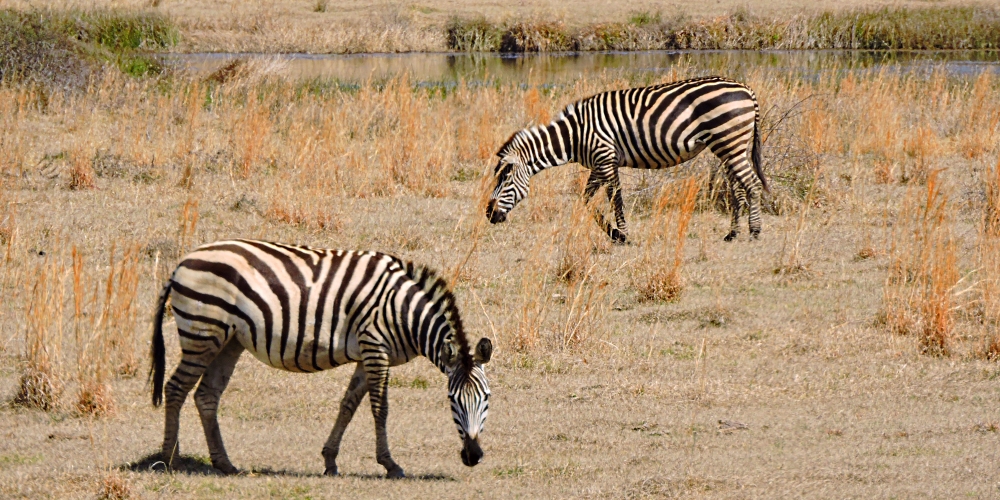
In fact, I have come upon a heard of these zebra in east Texas.
Conservation Status: Near Threatened
The plains zebra remains common in game reserves, but is threatened by human activities such as hunting for its meat and hide, as well as competition with livestock and encroachment by farming on much of its habitat.
The species population is stable and not endangered, though some populations such as in Tanzania have declined sharply.
Predators of the zebra include lions, spotted hyenas, leopards, cheetahs and wild dogs.
As of 2016, the plains zebra is classified as Near Threatened.
Sub species
Subspecies include six recognized extant subspecies, though there is great variation in coat patterns between individuals. The striping pattern is unique among ungulates in the region, and its functions are disputed.
Suggested functions include forms of motion camouflage, social signaling and recognition, and discouraging biting flies.
Characteristics
The plains zebra, also known as the common zebra or Burchell's zebra, is the most common and geographically widespread species of zebra.
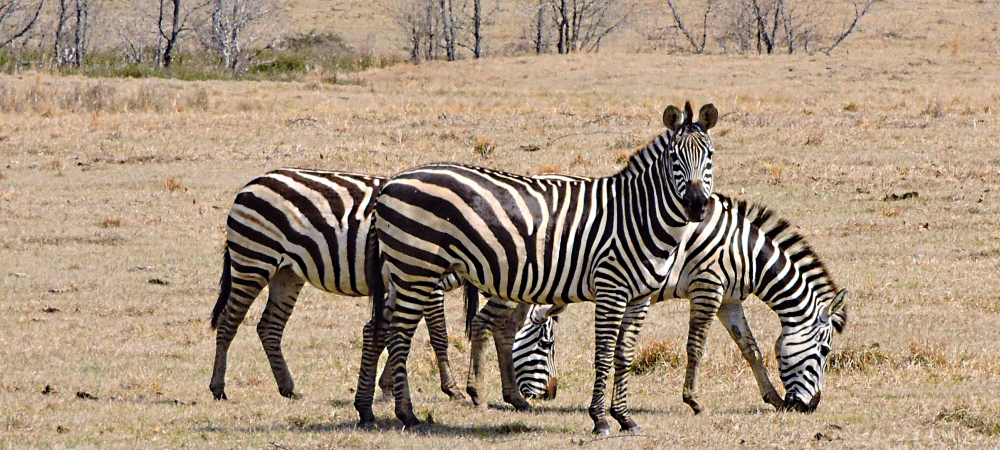
The plains zebra is a highly social species, forming harems with a single stallion, several mares and their recent offspring; there are also bachelor groups. Groups may come together to form herds. The animals keep watch for predators rather than attempting to hide; they bark or snort when they see a predator, and the harem stallion attacks predators to defend his harem.
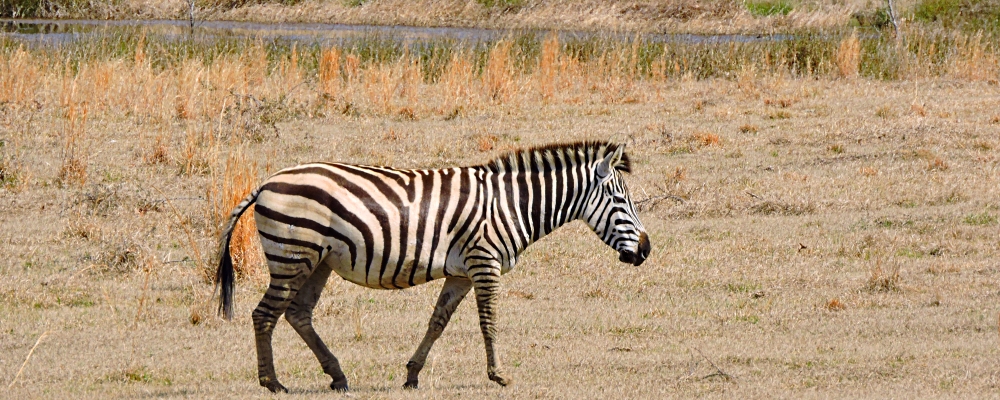
Like all zebras, plains zebras are boldly striped in black and white, and no two individuals look exactly alike. They also have black or dark muzzles. The natal coat of a foal is brown and white. All have vertical stripes on the fore part of the body, which tend towards the horizontal on the hindquarters.
The northern populations have narrower and more defined striping. The southern populations have varied but lesser amounts of striping on the under parts, the legs and the hindquarters. Southern populations also have brown shadow stripes between the black and white coloring which are absent or poorly expressed in northern zebras.
The plains zebra is mid-sized, smaller on average than the other two zebra species, and thick bodied with relatively short legs. There is some variation in size, based on the animals' condition and subspecies.
Adults of both sexes can stand from 3.6 to 4.8 feet (1.1 to 1.45 m) high at the shoulder, they are 7.1 to 8.1 feet (2.17 to 2.46 m) long, not counting a 19 to 22 inch (47 to 56 cm) tail, and weigh 386 to 849 pounds (175 to 385 kg). Males may weigh 10 percent more than females.
Range
The range of the plains zebra is fragmented, but spans much of southern and eastern Africa south of the Sahara. Its habitat is generally but not exclusively treeless grasslands and savanna woodlands, both tropical and temperate. They generally avoid desert, dense rain forest and permanent wetlands, and rarely stray more than 30 kilometers from a water source.
It ranges from the south of Ethiopia through East Africa to as far south as Botswana and eastern South Africa.
|