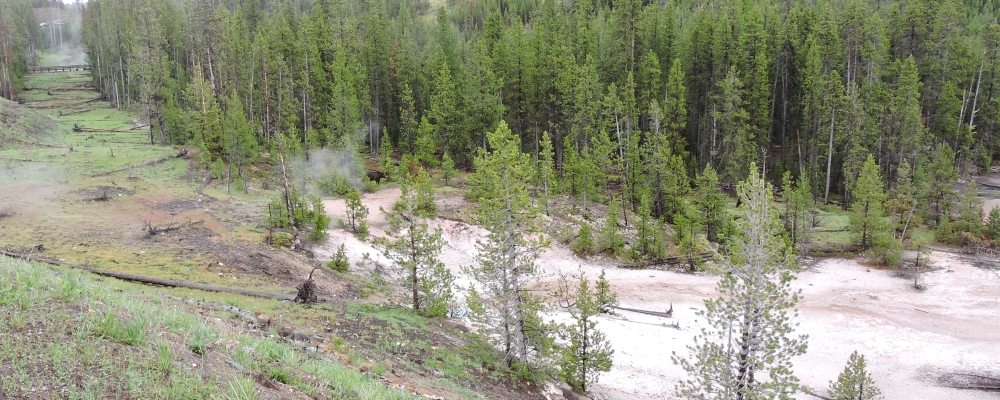
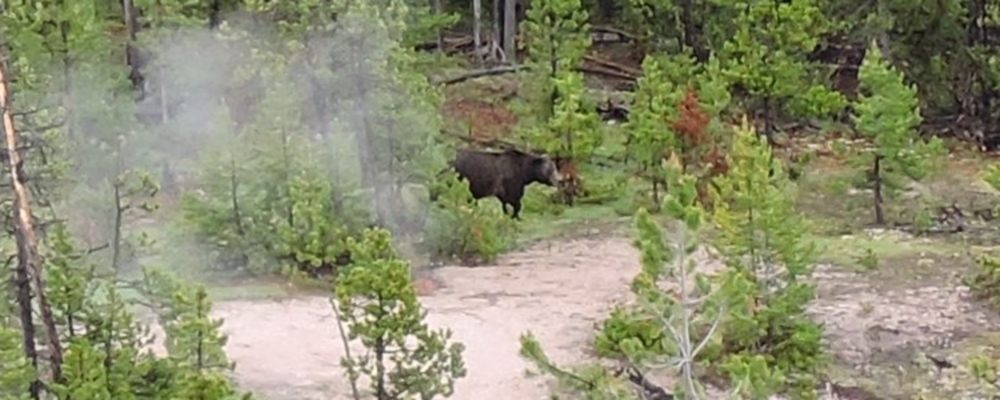
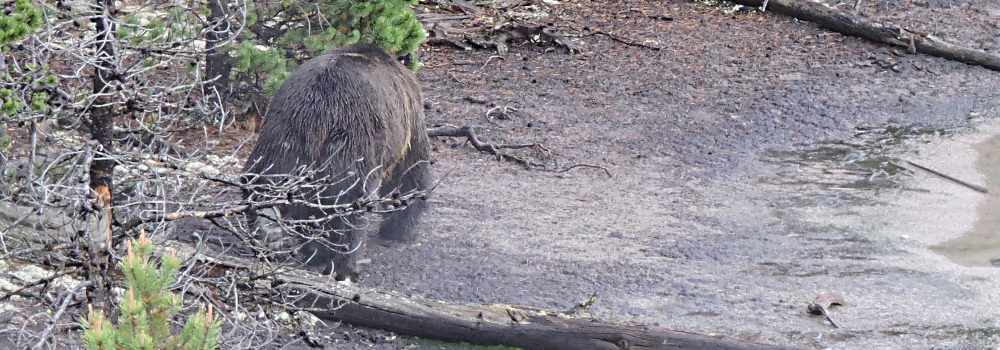
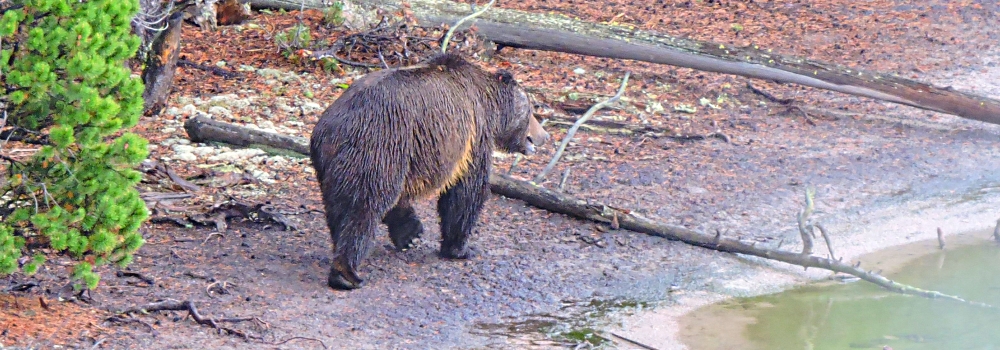
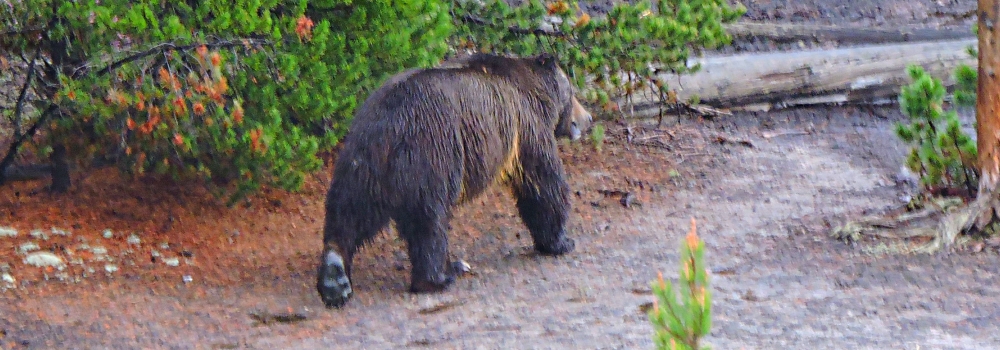
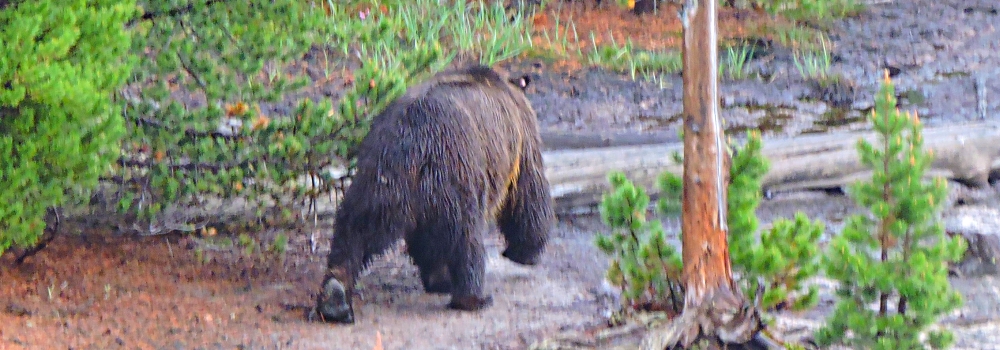
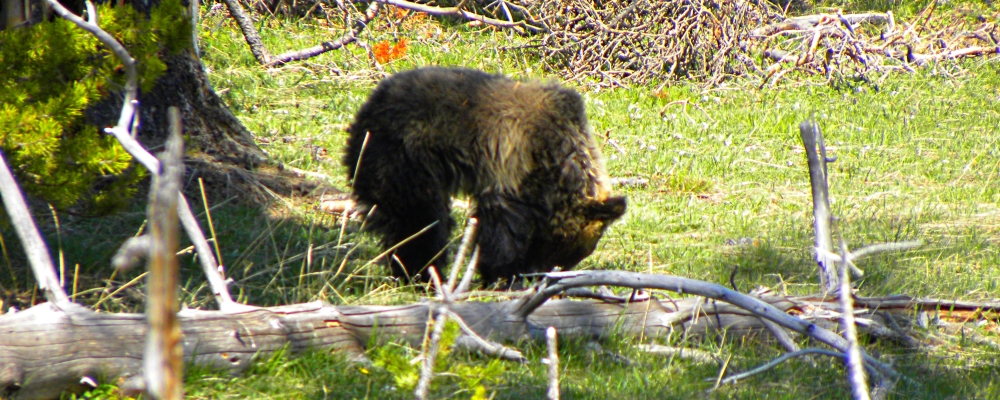
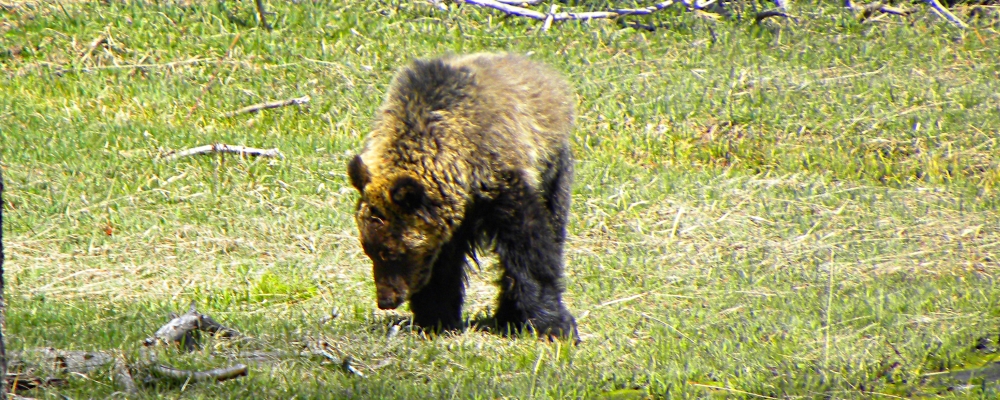
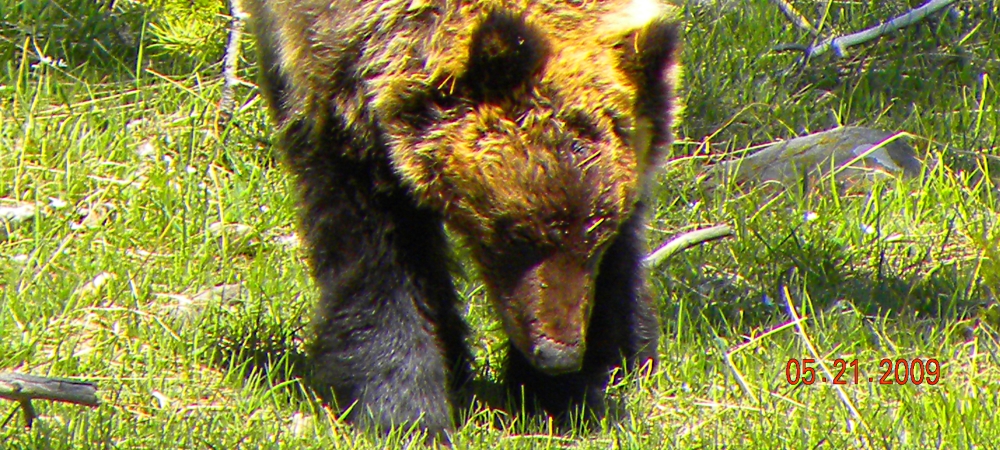
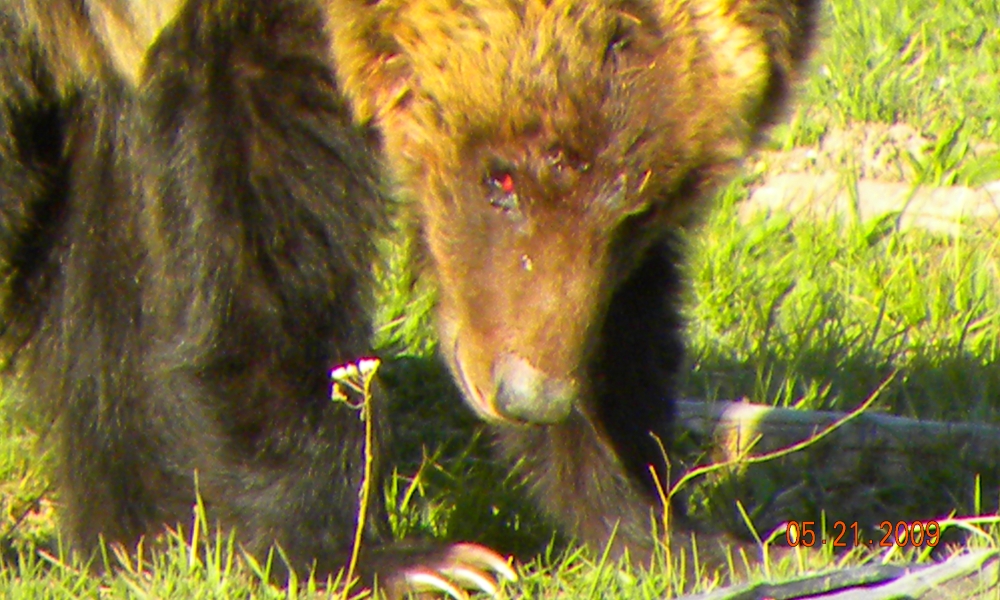
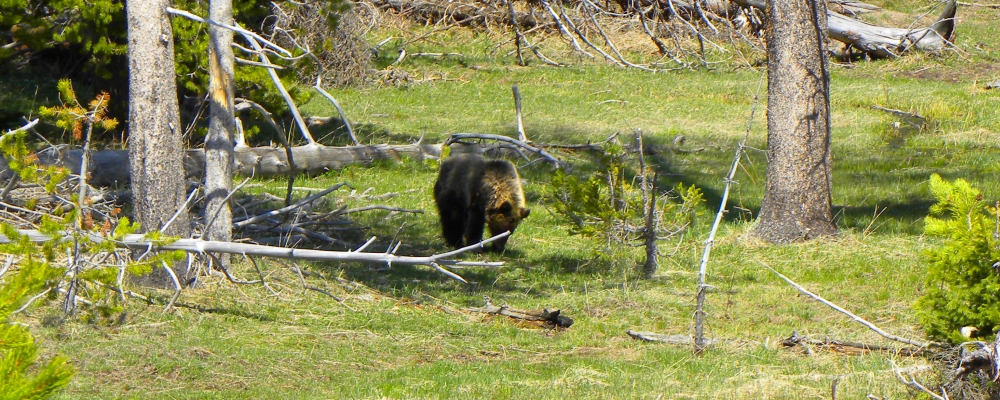
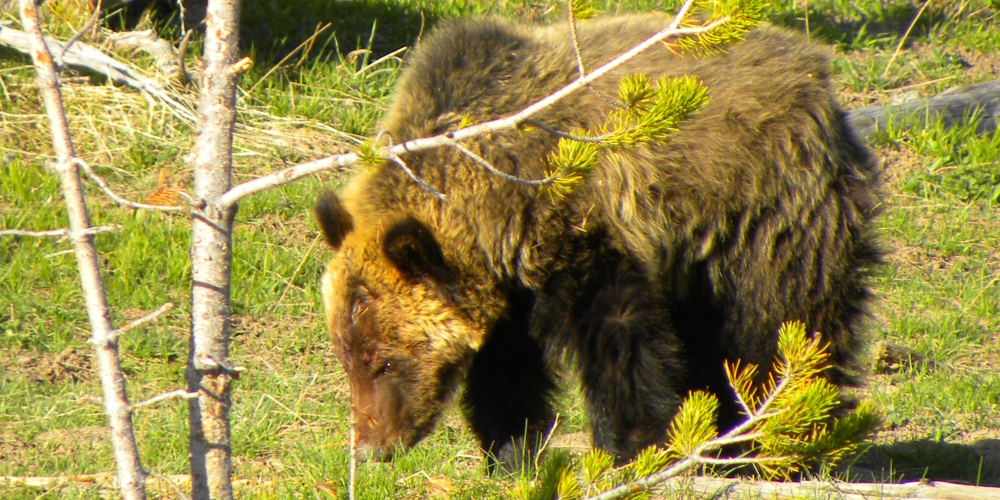
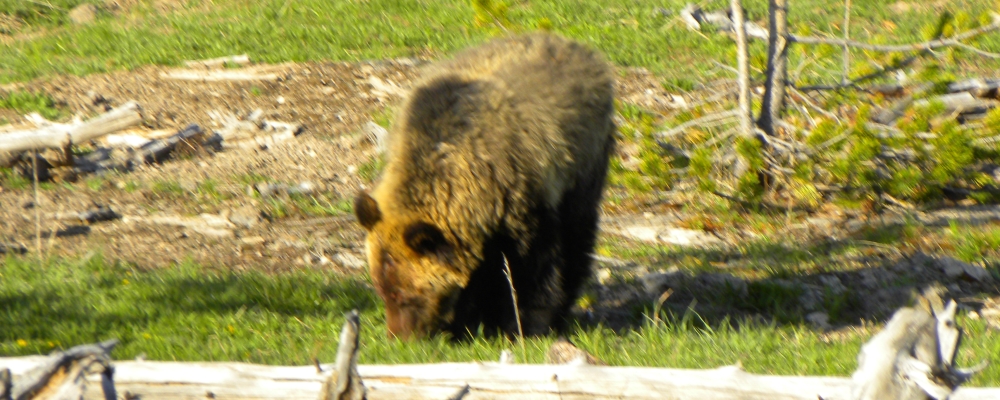
The Brown Bear is a large bear species found across Eurasia and North America. It is one of the largest living terrestrial members of the order Carnivora, rivaled in size only by its closest relative, the polar bear, which is much less variable in size and slightly bigger on average.
The brown bear is recognized as a national and state animal in several European countries.
Species:
Ursus arctos
Common Name:
Brown Bear,
Conservation Status:
Least Concern (LC)
Subspecies:
U. a. arctos – Eurasian brown (b.) bear (Much of Europe and Asia)
U. a. collaris – East Siberian b. bear (Sibera to Mongolia)
U. a. beringianus – Kamchatkan b. bear (Russian Kamchatka Peninsula)
U. a. gyas - Alaska Peninsula b. bear (South Alaska coast)
U. a. horribilis – NA grizzly bear (Yellowstone, nw MT, BC, AB IN, NWT, YU, AK)
U. a. isabellinus – Himalayan b. bear (n Afg., n Pakistan, n India, w China)
U. a. lasiotus – Ussuri b. bear (e Russia, ne China Korea Japan)
U. a. marsicanus - Marsican b. bear (Central Italy) Isolated population.
U. a. middendorffi – Kodiak bear (Kodiak Archipelago, Alaska) Largest b. Bear
U. a. pruinosus – Tibetan blue bear (e Tibetan Plateau)
U. a. sitkensis – Sitka b. bear (Admiralty Island, Alexander Archipelago, se AK)
U. a. stikeenensis - Stikine b bear (North American)
U. a. syriacus – Syrian b. bear (Turkey, Iran, Iraq, Caucasus Mtns)
Subspecies Extinct:
†U. a. californicus - California grizzly bear
†U. a. crowtheri – Atlas bear
†U. a. dalli – Dall Island brown bear
†U. a. nelsoni – Mexican grizzly bear
Range
The range of the brown bear includes parts of Russia, Central Asia, the Himalayas, China, Canada, the United States, Hokkaido, Scandinavia, Finland, the Balkans, the Picos de Europa and the Carpathian region of Romania, Iran, Anatolia, and the Caucasus.
In northwestern North America, the brown bear is located in: Alaska; Yukon; NW Territories; Nunavut; British Columbia; western Alberta; extreme northern Saskatchewan; extreme northern Manitoba; western Montana; and Yellowstone.
The North American brown bear is a large bear species, which the populations of brown bears are called grizzly bears, while the subspecies that inhabits the Kodiak Islands of Alaska is known as the Kodiak bear.
Habitat
This species inhabits the broadest range of habitats of any living bear species, which seemingly have no altitudinal preferences, because that have been recorded from sea level to an elevation of 16,000 feet (in the Himalayas).
In most of their range, brown bears generally seem to prefer semi-open country, with a scattering of vegetation that can allow them a resting spot during the day. However, they have been recorded as inhabiting every variety of northern temperate forest known to occur.
Some subspecies are critically endangered, while others were hunted to extinction.
The brown bear is often described as nocturnal, but it frequently seems to peak in activity in the morning and early evening hours. However, activity throughout the range can occur at nearly any time of night or day, with bears who dwell in areas with more extensive human contact being more likely to be fully nocturnal. Furthermore, yearling and newly independent bears are more likely to be active diurnally and many adult bears in low-disturbance areas are largely crepuscular.
In summer through autumn, a brown bear can double its weight from the spring, gaining up to 40 pounds of fat, on which it relies to make it through winter, at which time becomes very lethargic. Because brown bears are not full hibernators, they can be woken easily. Still, both sexes like to den in a protected spot during the winter months.
Description
It is one of the largest living terrestrial members of the order Carnivora, rivaled in size only by its closest relative, the polar bear, which is much less variable in size and slightly bigger on average.
Relative to their body size, brown bears have one of the largest brains of any extant carnivoran and have been seen to engage in tool use, such as using a barnacle-covered rock to scratch its neck), which requires advanced cognitive abilities.[94] This species is mostly solitary, although bears may gather in large numbers at major food sources (e.g., open garbage dumps or rivers holding spawning salmon) and form social hierarchies based on age and size.