|
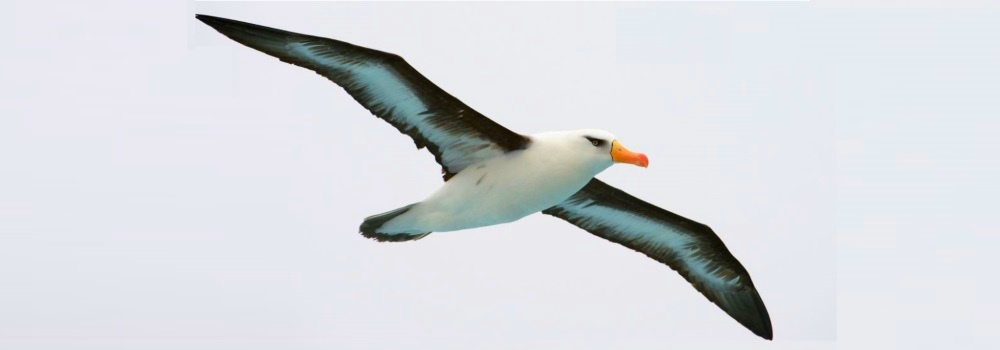
Often called ocean birds, pelagic water birds and sea birds, these feathered creatures forage over the open ocean, most coming ashore only to nest and then usually on remote islands or headlands. A few are seen regularly from the shore, while others are occasionally blown ashore by storms.
Marine birds very greatly in behavior, lifestyle and physiology but all have one thing in common, they are adapted to life within a marine environment. Compared with other bird species, marine birds in general breed later, have fewer young and live longer. However, when they do have young, marine birds invest a great deal of time in their young.
Marine birds feed both at the surface of the ocean or below it and even feed on each other. Marine birds can be highly pelagic, coastal or in some cases spend a part of the year away from the sea entirely.
Marine birds can drink both fresh and salt. Although most animals can not survive drinking only sea water, marine birds have no problem drinking sea water. The salt they take in is absorbed and moves through their blood stream into a special pair of salt extracting glands near their eyes. From these glands is excreted a densely salty fluid which then travels down grooves in the bill to is then excreted from the nostrils and runs down grooves in the skull to openings on either side of the bill.
As these drop gets larger, the bird will shake its head, dispersing the salt to fall back into the ocean. In this way, the marine birds are able to flush out the salt from their system.
There are many marine bird species which are famous for undertaking long annual migrations, crossing the equator or circumnavigating the earth.
The Marine Birds are divided into two galleries which is determines by their lifestyle; marine birds are either aerialists or swimmers.
|